7 Effective Tips for Better Running Form –
Good running form isn’t just for elite athletes. Whether you’re training for your first 5K or chasing a marathon PR, how you run matters as much as how far or how fast. Poor form wastes energy, slows you down, and is one of the leading causes of overuse injuries like shin splints, runner’s knee, and IT band syndrome.
The good news: running form is trainable. Small, consistent adjustments compound into a smoother stride, less fatigue, and fewer trips to the physical therapist. Below are seven practical, research-backed tips you can start applying on your very next run.
Quick Answer: What Is Good Running Form?
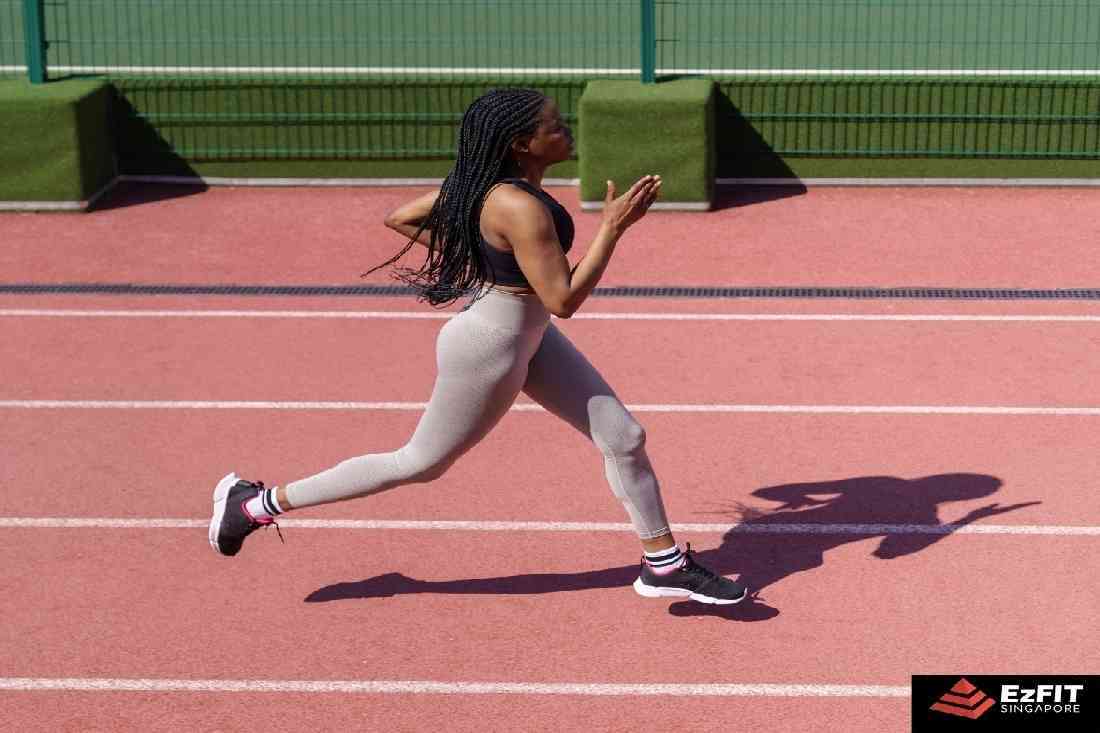
Good running form means an upright posture with a slight forward lean, a midfoot strike under your hips, relaxed shoulders, a quick cadence (around 170–180 steps per minute), and controlled arm swing. It minimizes braking forces and vertical bounce, so more of your energy moves you forward instead of up and down.
1. Keep Your Posture Tall and Slightly Forward
Slouching compresses your lungs and shifts your center of gravity backward, forcing your legs to overreach with every stride. Instead:
- Imagine a string pulling the crown of your head toward the sky.
- Engage your core lightly to support your spine.
- Lean very slightly forward from the ankles (not the waist) so gravity assists your forward motion.
Why it works: An upright, forward-leaning posture reduces the braking force that happens when your foot lands too far ahead of your body.
2. Increase Your Cadence (Steps Per Minute)
Cadence is one of the most researched and modifiable aspects of running form. Many recreational runners land between 150–165 steps per minute, while elite runners typically hit 170–180+.
- Use a metronome app or your running watch’s cadence alert.
- Aim to increase your current cadence by 5–10% rather than jumping straight to 180.
- A higher cadence naturally shortens your stride and reduces overstriding.
Why it works: Overstriding is a top contributor to impact-related injuries. A quicker, shorter stride lowers ground-reaction forces on your knees and hips.
3. Land Under Your Hips, Not Out in Front
Where your foot contacts the ground matters more than whether you’re a heel, midfoot, or forefoot striker.
- Focus on landing with your foot roughly beneath your center of mass.
- Avoid reaching your leg far out in front of your body.
- Let cadence work do the heavy lifting here — landing under your hips often happens naturally once cadence improves.
Why it works: Landing under your hips converts more force into forward propulsion instead of a braking effect that slows you down with every step.
4. Relax Your Shoulders and Arms
Tension anywhere in your upper body drains energy from your legs.
- Drop your shoulders away from your ears every few minutes as a reset cue.
- Keep elbows bent around 90 degrees, swinging front to back (not across your body).
- Unclench your hands — imagine holding a potato chip without breaking it.
Why it works: Relaxed arms reduce unnecessary energy expenditure and help maintain rhythm, especially in the later miles of a long run.
5. Engage Your Core for Stability
A strong, engaged core keeps your pelvis stable and prevents excessive side-to-side rotation of your torso.
- Practice planks, dead bugs, and bird-dogs 2–3 times a week.
- While running, think “light brace,” not a hard clench.
- A stable core supports better posture and more efficient arm-leg coordination.
Why it works: Poor core stability is linked to increased hip drop and rotational movement, both of which waste energy and stress the knees and lower back.
6. Minimize Vertical Bounce
Excess up-and-down movement means you’re spending energy fighting gravity instead of moving forward.
- Focus on a “quiet,” low-impact stride rather than bounding.
- Increasing cadence (Tip 2) is one of the most effective ways to reduce bounce.
- Strengthen your glutes and hamstrings to support a more horizontal stride path.
Why it works: Runners with lower vertical oscillation typically demonstrate better running economy, meaning they use less energy at the same pace.
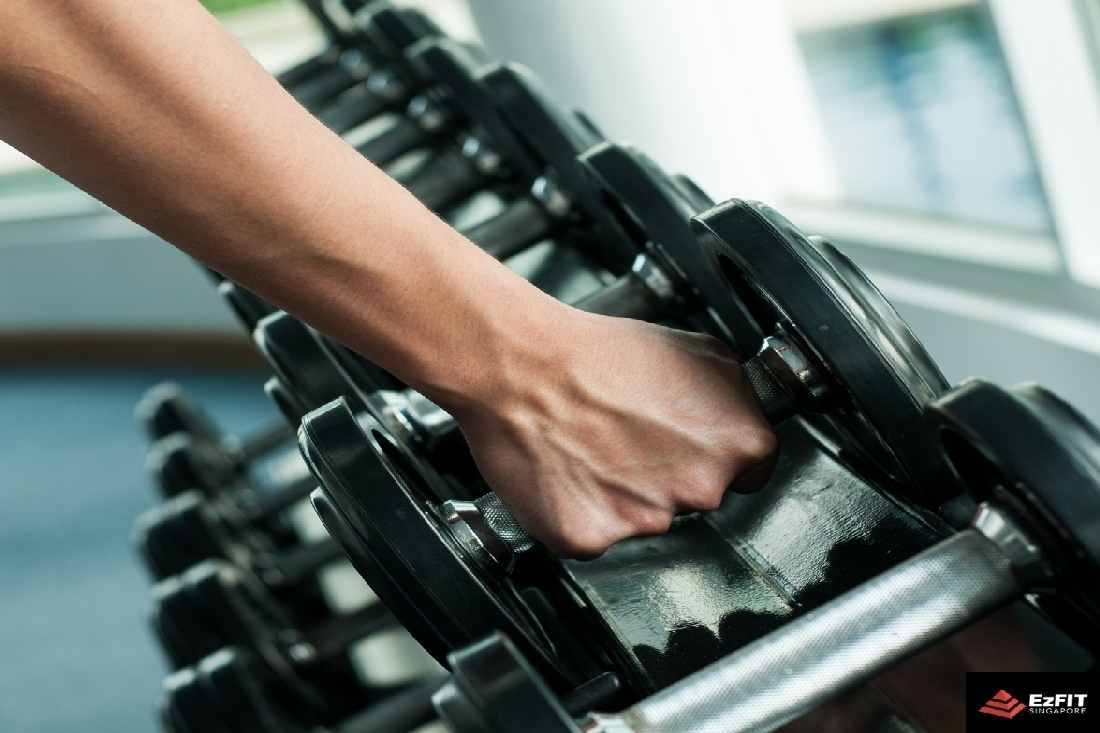
7. Build Strength and Mobility Off the Run
Form breaks down fastest when muscles are weak, tight, or fatigued. Supplementing your running with targeted strength and mobility work protects your form even in the final miles.
- Prioritize glutes, hips, and calves — key stabilizers for running mechanics.
- Add mobility work for hips and ankles to support a fuller, more natural stride.
- Strength train 2 times per week, even 20–30 minutes makes a measurable difference.
Why it works: Strength and mobility directly determine how long you can hold good form before fatigue causes it to collapse.
Common Running Form Mistakes to Avoid
- Overstriding: Landing with your foot far ahead of your hips increases braking force.
- Excessive arm crossing: Swinging arms across your body wastes energy and can cause torso rotation.
- Looking down: Constantly staring at your feet strains your neck and pulls your posture forward.
- Clenched fists and tense shoulders: Upper-body tension bleeds into your legs and stride.
- Ignoring strength training: Running alone doesn’t build the strength needed to sustain good form.
Frequently Asked Questions
What is the ideal running cadence? Most runners benefit from a cadence between 170 and 180 steps per minute, though the ideal number varies by height, pace, and individual biomechanics.
Should I change my foot strike pattern? Not necessarily. Foot strike (heel, midfoot, forefoot) matters less than where your foot lands relative to your hips. Focus on landing under your body rather than forcing a specific strike pattern.
How long does it take to improve running form? Noticeable improvements can appear within 4–6 weeks of consistent cueing and strength work, though full habit change typically takes 8–12 weeks.
Can better running form prevent injuries? Yes. Correcting overstriding, improving cadence, and strengthening supporting muscles are all associated with reduced risk of common overuse injuries like runner’s knee and shin splints.
Do I need a running coach to fix my form? Not necessarily. Many runners see real improvement using cadence apps, mirror or video feedback, and the cues above. A coach or gait analysis is helpful for persistent pain or complex issues.
Final Thoughts
Better running form isn’t about a total stride overhaul overnight. Pick one or two tips from this list, practice them for a few weeks until they feel automatic, then layer in the next. Small, consistent changes to posture, cadence, and strength add up to a faster, smoother, more injury-resistant stride over time.