
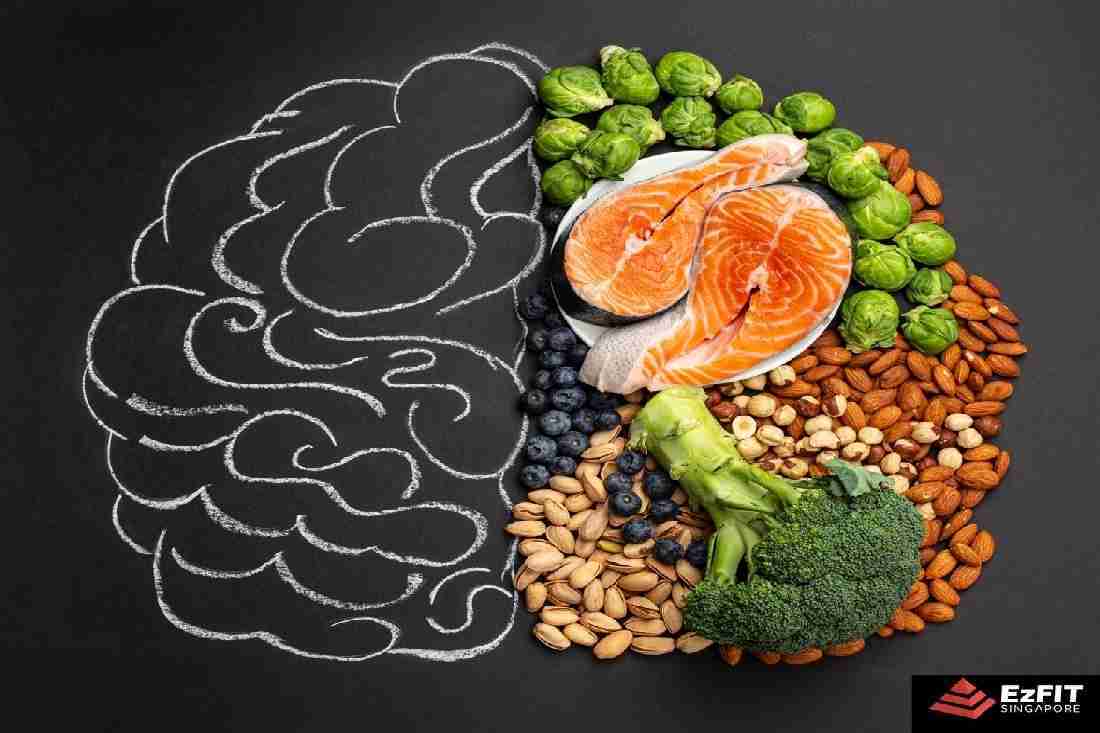
10 Foods to Boost Your Brainpower and Focus –
Ever hit that 3 p.m. wall where your brain feels like it’s wading through fog? What you eat plays a direct role in how sharp, focused, and mentally energized you feel. Certain nutrients — omega-3 fatty acids, antioxidants, B vitamins, and flavonoids — support healthy blood flow to the brain, protect brain cells, and improve communication between neurons.
Below are 10 of the most researched, brain-friendly foods you can start adding to your diet today.
Quick Answer
The best foods for brainpower and focus are: fatty fish, blueberries, walnuts, dark chocolate, eggs, leafy greens, pumpkin seeds, avocados, whole grains, and turmeric. These foods supply omega-3s, antioxidants, choline, and healthy fats that support memory, concentration, and long-term brain health.
1. Fatty Fish (Salmon, Mackerel, Sardines)
Fatty fish are among the richest sources of omega-3 fatty acids, particularly DHA, which makes up a significant portion of your brain’s structural fat. Omega-3s support the growth of new brain cells and are linked to slower cognitive decline and better memory.
Try it: Aim for two servings of salmon, mackerel, or sardines per week.
2. Blueberries
Blueberries are packed with anthocyanins, plant compounds with antioxidant and anti-inflammatory effects. Research suggests these compounds may improve communication between brain cells and delay age-related memory loss.
Try it: Add a handful to oatmeal, smoothies, or yogurt.
3. Walnuts
Walnuts contain plant-based omega-3s (ALA) along with antioxidants and vitamin E, all linked to improved cognitive function. Interestingly, walnuts even resemble tiny brains — nature’s little hint, perhaps.
Try it: A small daily handful (about 7 walnuts) is an easy brain-boosting snack.
4. Dark Chocolate (70%+ Cacao)
Dark chocolate contains flavonoids, caffeine, and antioxidants that may enhance memory, focus, and mood. The flavonoids in cacao appear to support areas of the brain involved in learning and memory.
Try it: Stick to 1–2 squares of high-cacao dark chocolate a day.
5. Eggs
Eggs are a top source of choline, a nutrient your body uses to produce acetylcholine, a neurotransmitter that regulates mood and memory. The yolk is where most of this brain-supporting nutrient lives.
Try it: A couple of eggs at breakfast can support steady focus through the morning.
6. Leafy Greens (Spinach, Kale, Broccoli)
Leafy greens are rich in vitamin K, lutein, folate, and beta-carotene — nutrients associated with slower cognitive decline. Studies on older adults have linked higher vegetable intake to a “younger” brain age.
Try it: Add spinach or kale to salads, smoothies, or sautés daily.
7. Pumpkin Seeds
Pumpkin seeds provide magnesium, iron, zinc, and copper — all essential for nerve signaling and brain function. Zinc in particular plays a key role in memory and learning.
Try it: Sprinkle roasted pumpkin seeds on salads or eat them as a snack.
8. Avocados
Avocados are rich in monounsaturated fats, which support healthy blood flow — including blood flow to the brain. Good circulation helps deliver oxygen and nutrients that keep you mentally sharp.
Try it: Add avocado to toast, salads, or smoothies for a creamy focus boost.
9. Whole Grains
Whole grains like oats, brown rice, and quinoa provide a steady release of glucose, the brain’s primary fuel source. Unlike refined carbs, they help avoid energy crashes that hurt concentration.
Try it: Swap white bread and rice for whole-grain versions to sustain focus longer.
10. Turmeric
Turmeric contains curcumin, a compound shown to cross the blood-brain barrier and offer antioxidant and anti-inflammatory benefits. Some research links curcumin to improved memory and mood.
Try it: Add turmeric to soups, curries, or golden milk lattes — with a pinch of black pepper to boost absorption.
Frequently Asked Questions
What foods improve focus and concentration fastest? Foods rich in caffeine and natural sugars, like dark chocolate or a piece of fruit, can offer a short-term focus boost, while fatty fish, walnuts, and leafy greens support long-term concentration.
What is the number one brain food? Fatty fish, such as salmon, is often ranked as the top brain food because of its high omega-3 DHA content, which is essential for brain structure and function.
Can diet really improve memory? Yes. A diet rich in antioxidants, healthy fats, and B vitamins — similar to the Mediterranean diet — has been consistently linked to better memory and a lower risk of cognitive decline.
What foods should I avoid for better brain health? Highly processed foods, excess added sugar, and trans fats are linked to inflammation and may negatively affect memory and focus over time.
How long does it take to notice brain-boosting effects from food? Some effects, like steadier energy from whole grains, can be felt within hours. Long-term benefits for memory and cognitive health typically build up over weeks to months of consistent eating habits.
Key Takeaway
You don’t need exotic supplements to think more clearly — small, consistent changes to your plate can meaningfully support memory, focus, and long-term brain health. Start by adding two or three of these foods to your weekly meals, and build from there.