7 Essential Tips for Proper Post-Workout Recovery –
Finishing a workout is only half the job—what you do after your workout determines your results.
Whether you’re training in a gym, outdoors, or following a fitness program in Singapore, proper post-workout recovery is essential for muscle growth, fat loss, and injury prevention.
In Singapore’s hot and humid environment, recovery becomes even more important due to higher sweat loss, fatigue, and stress on the body.
This guide covers 7 essential recovery tips to help you perform better, recover faster, and stay consistent.
Why Post-Workout Recovery Is Important
Recovery is when your body:
- Repairs and builds muscle tissue
- Restores energy (glycogen levels)
- Reduces inflammation and soreness
- Prevents injuries and burnout
Without proper recovery, you risk plateaus, fatigue, and long-term injuries.
1. Rehydrate Immediately
Why it matters
In Singapore’s humidity, your body loses more fluids through sweat, increasing the risk of dehydration.
What to do
- Drink 500–750ml of water after your workout
- Continue hydrating throughout the day
- Add electrolytes for intense or long sessions
How much water should I drink after a workout?
→ About 500–750ml immediately, then adjust based on sweat loss.
2. Refuel Your Body with the Right Nutrition
Why it matters
Your body needs nutrients to repair muscles and replenish energy.
What to eat
- Protein: Chicken, fish, eggs, tofu
- Carbohydrates: Rice, oats, whole grains
- Healthy fats: Nuts, seeds, avocado
Singapore-friendly meal ideas
- Grilled chicken with rice
- Fish soup with noodles
- Protein smoothie with fruit
What is the best food to eat after a workout?
→ A mix of protein and carbohydrates within 30–60 minutes.
3. Cool Down Properly
Why it matters
Stopping exercise abruptly can cause dizziness and muscle tightness.
What to do
- Light walking or slow cycling (5–10 minutes)
- Gradually bring your heart rate down
Is it necessary to cool down after exercise?
→ Yes, it improves circulation and reduces injury risk.
4. Stretch and Improve Mobility
Why it matters
Stretching helps reduce stiffness and improves flexibility over time.
Focus on
- Hamstrings
- Hip flexors
- Lower back
- Shoulders
Best approach
- Hold each stretch for 20–30 seconds
- Avoid bouncing movements
Should I stretch after every workout?
→ Yes, especially after strength training or high-intensity workouts.
5. Prioritise Quality Sleep
Why it matters
Sleep is when your body does most of its recovery and muscle repair.
What to aim for
- 7–9 hours of sleep per night
- Consistent sleep schedule
Singapore lifestyle tip
Avoid late-night caffeine, heavy meals, and excessive screen time after evening workouts.
How does sleep affect muscle recovery?
→ Poor sleep slows muscle repair and increases fatigue.
6. Use Active Recovery
Why it matters
Rest doesn’t mean complete inactivity—light movement improves blood flow and speeds up recovery.
Examples
- Walking
- Swimming
- Yoga or stretching sessions
What is active recovery?
→ Low-intensity exercise that helps your body recover faster.
7. Listen to Your Body and Rest When Needed
Why it matters
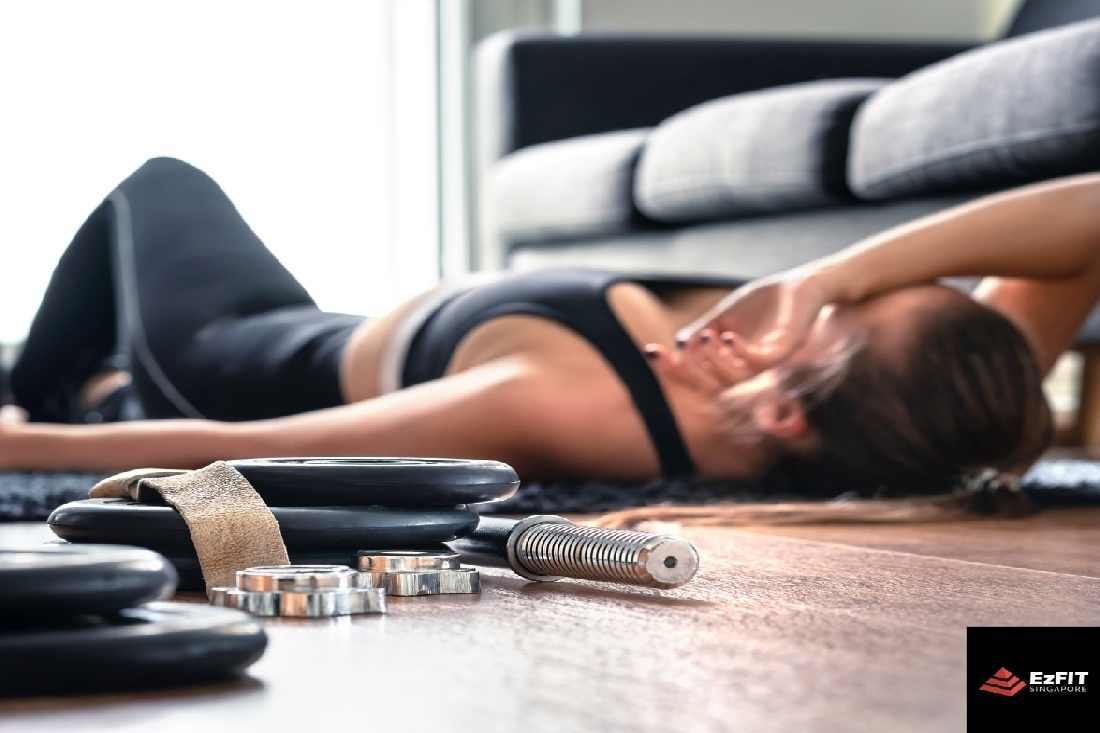
Overtraining can lead to injuries, fatigue, and burnout.
Signs you need rest
- Persistent soreness
- Fatigue or low energy
- Decreased performance
- Poor sleep
What to do
- Take rest days
- Alternate muscle groups
- Adjust workout intensity
How many rest days should I take per week?
→ 1–2 rest days depending on training intensity.
Common Post-Workout Recovery Mistakes
Avoid these common errors:
- Skipping hydration
- Not eating after workouts
- Ignoring pain or injuries
- Overtraining without rest
- Sleeping too little
Post-Workout Recovery in Singapore: Key Considerations
Living in Singapore means:
- Higher sweat rates due to humidity
- Increased risk of dehydration
- Need for better hydration and electrolyte balance
If you train outdoors or walk frequently, recovery becomes even more critical to avoid fatigue and heat-related issues.
Final Thoughts
Proper recovery is the foundation of long-term fitness success. Without it, even the best workouts won’t deliver results.
By following these 7 essential post-workout recovery tips, you can:
- Improve performance
- Reduce soreness
- Prevent injuries
- Stay consistent with your fitness routine
FAQs
1. What is the fastest way to recover after a workout?
→ Hydrate, eat protein + carbs, stretch, and get good sleep.
2. How long does muscle recovery take?
→ Typically 24–48 hours depending on intensity.
3. Is soreness after a workout normal?
→ Mild soreness is normal, but sharp or prolonged pain is not.
4. Can I work out every day?
→ Yes, if you vary intensity and include recovery strategies.