The Power of Meal Planning for Weight Loss –
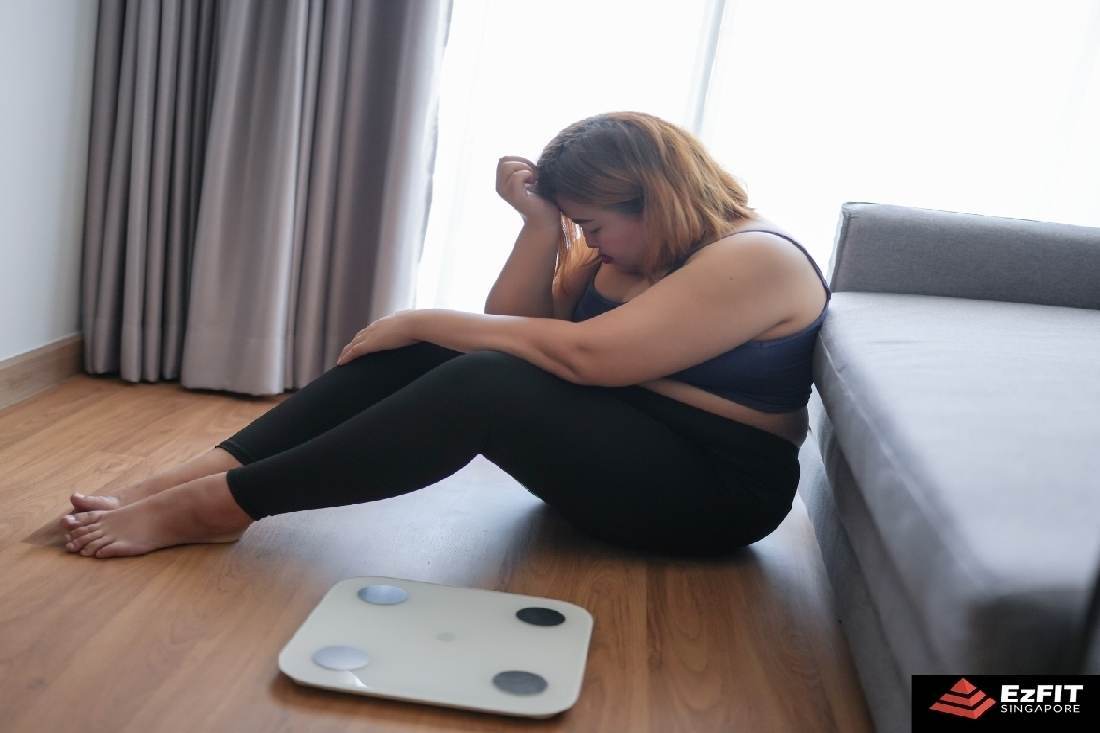
You have been eating well, training consistently, and the weight was coming off. Then, almost overnight, the scale stops moving. Week after week, the same number stares back.
This is a weight loss plateau, and almost everyone who loses weight hits one. The good news: a plateau is not a sign of failure. It is a sign that your body has adapted to the progress you have already made. With the right adjustments, you can start moving again.
In this guide, our personal trainers at EzFit Singapore break down the seven most common weight loss plateaus, why each one happens, and exactly what to do about it.
What is a weight loss plateau?
A weight loss plateau is a period of two or more weeks where your body weight stops decreasing, even though you are following the same diet and exercise routine that was working before.
It is different from normal day-to-day fluctuation. Your weight can swing by 1 to 2 kg in a day from water, salt, carbohydrates, hormones and digestion. A true plateau shows up as a flat trend over several weeks, not a single bad weigh-in.
Why plateaus happen: the science in plain English
- A smaller body burns less energy. When you weigh less, you need fewer calories to move and maintain your body. The deficit that worked at 80 kg may be close to maintenance at 72 kg.
- Metabolic adaptation. After a sustained calorie deficit, your body tends to conserve energy a little more than weight loss alone predicts. You may fidget less, move less and feel more tired without noticing.
- Muscle loss. Dieting without enough protein or resistance training can strip muscle, which lowers your resting energy needs.
- Habit creep. Portions grow, weekend meals stretch, and tracking gets looser. Small changes add up.
- Water retention. Hard training, stress, poor sleep and hormonal cycles can hold water that masks fat loss on the scale.
7 common weight loss plateaus and how to overcome them
1. The "I've lost weight" plateau
Why it happens: This is the most common plateau. Your body is now smaller, so it needs less energy. The deficit you started with has quietly shrunk.
How to overcome it:
- Recalculate your daily calorie needs at your current weight.
- Make a small adjustment, such as 100 to 200 fewer calories a day, rather than a crash cut.
- Alternatively, keep your intake and add more movement to rebuild the gap.
2. Calorie creep
Why it happens: Early on, most people measure and log carefully. After a few months, portions get eyeballed, cooking oil goes unmeasured, and the extra kopi or bubble tea slips in. Hawker meals in Singapore can vary widely in calories, which makes estimating harder.
How to overcome it:
- Track everything you eat and drink for 7 days, including sauces, oils and drinks.
- Ask for less rice, gravy or sugar at hawker stalls, and choose soup-based or grilled options more often.
- Swap sugary drinks for kosong or siew dai versions, water or unsweetened tea.
3. The cardio-only plateau
Why it happens: Cardio burns calories, but your body becomes more efficient at the same workout over time. Without strength training, you can also lose muscle along with fat.
How to overcome it:
- Add resistance training 2 to 3 times a week, working all major muscle groups.
- Use progressive overload: add weight, reps or sets over time.
- Keep cardio, but vary it with intervals, hills or a new activity.
4. The low-protein plateau
Why it happens: Protein helps preserve muscle while you lose fat, keeps you full for longer, and takes more energy to digest than carbohydrates or fat. Many people eating less end up eating too little protein.
How to overcome it:
- Include a palm-sized protein source at every meal: eggs, chicken, fish, tofu, tempeh, Greek yoghurt or lean meat.
- Front-load protein at breakfast, where many diets fall short.
- If you are unsure of your target, ask a trainer or dietitian for a figure that suits your body and goals.
5. The sitting plateau
Why it happens: Your workouts may only be 3 to 5 hours a week. The other 160+ hours matter too. As you diet, your body often reduces unconscious movement, so you burn fewer calories outside the gym without realising.
How to overcome it:
- Set a daily step target and raise it gradually.
- Take the stairs, walk to the next MRT station, and take walking calls.
- Break up long sitting with 2 to 3 minutes of movement every hour.
6. The stress and sleep plateau
Why it happens: Short sleep and chronic stress increase hunger and cravings, lower your energy to train, and can increase water retention that hides fat loss.
How to overcome it:
- Aim for 7 to 9 hours of sleep with a consistent bedtime.
- Cut screens and caffeine late in the day.
- Schedule recovery: walks, stretching, rest days and lighter training weeks.
7. The "invisible progress" plateau
hy it happens: If you have started strength training, you may be building muscle while losing fat. Your weight stays the same, but your body shape changes. This is called body recomposition, and it is a good thing.
How to overcome it:
- Measure your waist and hips every 2 weeks.
- Take progress photos in the same lighting and clothing.
- Use a body composition scan for a fuller picture than the scale alone.
A 4-week plan to break your plateau
Changing everything at once makes it impossible to know what worked. Use this simple, one-change-at-a-time approach.
- Week 1: Audit. Weigh yourself daily at the same time and use the weekly average. Log all food and drink, track steps and sleep, and take waist measurements.
- Week 2: Fix nutrition. Close any gaps found in your log. Add protein to every meal and trim 100 to 200 calories if your intake has crept up.
- Week 3: Upgrade training. Add or progress strength training. Change at least one variable: weight, reps, sets, tempo or exercise selection.
- Week 4: Boost movement and recovery. Raise your daily steps, protect 7+ hours of sleep, and plan a lighter recovery day.
- Review. Compare your weekly average weight, waist measurement and photos with Week 1. If the trend is still flat across all three, it is time to get expert support.
Should you take a diet break?
For people who have been dieting for many months, a planned 1 to 2 week break at maintenance calories can help with energy, training quality and motivation. It is not a reward meal or a free-for-all. Speak to a qualified professional to decide if it suits you.
When to get help with a weight loss plateau
Consider professional support if:
- Your weight, waist and photos have not changed for 6 weeks or more, despite consistent effort.
- You feel constantly tired, hungry or unmotivated.
- You are unsure whether your training is challenging enough.
- You have a medical condition or take medication that may affect weight. In this case, speak to your doctor first.
How EzFit Singapore helps you break through
At EzFit Singapore, our personal trainers design programmes around your body, schedule and goals, then adjust them as you progress, which is exactly what a plateau calls for.
- Personalised strength training to build and protect the muscle that keeps your metabolism working for you.
- Power Plate training, which uses whole-body vibration during exercises like squats, lunges and planks. It adds a new stimulus to familiar movements and fits efficient sessions into a busy Singapore schedule.
- Progress tracking beyond the scale, so you can see body recomposition that a scale would miss.
- Practical nutrition and lifestyle guidance that works with hawker food, long work hours and real life.
A fresh, expert-led programme is often the change your body needs to start progressing again.
Frequently Asked Questions (FAQ)
How long does a weight loss plateau last?
A plateau can last anywhere from a couple of weeks to several months. It usually continues until you change something: your intake, training, daily movement or recovery. Short stalls of 1 to 2 weeks are often just water retention.
Why am I not losing weight even though I am eating less?
The most common reasons are that your smaller body now needs fewer calories, your portions have crept up, or water retention is hiding fat loss. A 7-day food log and a weekly weight average will usually reveal which one it is.
Should I eat more to break a weight loss plateau?
Sometimes. If you have been in a large deficit for a long time and feel exhausted, a short period at maintenance calories can restore energy and training performance. Eating more will not magically speed up fat loss, but it can help you train harder and stick to your plan.
Can strength training help break a plateau?
Yes. Strength training helps preserve and build muscle while you lose fat, which supports your energy needs and improves body shape. It is one of the most effective changes for people who mainly do cardio.
Is it normal to gain weight when starting a new workout?
Yes. A new or harder routine can cause temporary water retention as muscles repair. This usually settles within 1 to 2 weeks and is not fat gain.
Is the scale the best way to measure progress?
No. The scale measures everything: fat, muscle, water, food and waste. Combine it with waist measurements, progress photos, how your clothes fit, and strength gains for a truer picture.
Can Power Plate training help with a weight loss plateau?
Power Plate training adds whole-body vibration to strength and mobility exercises, giving your body a new training stimulus. Combined with good nutrition and consistent effort, it can be a useful way to refresh a routine that has stopped working.
Conclusion
- A weight loss plateau is normal and usually means your body has adapted to the progress you have made.
- The most common causes are a shrinking calorie deficit, calorie creep, too little protein, cardio-only training, low daily movement, and poor sleep or high stress.
- Change one thing at a time and give it 2 to 3 weeks.
- Track waist, photos and strength, not just the scale.
- Expert coaching can help when you have been stuck for 6 weeks or more.