
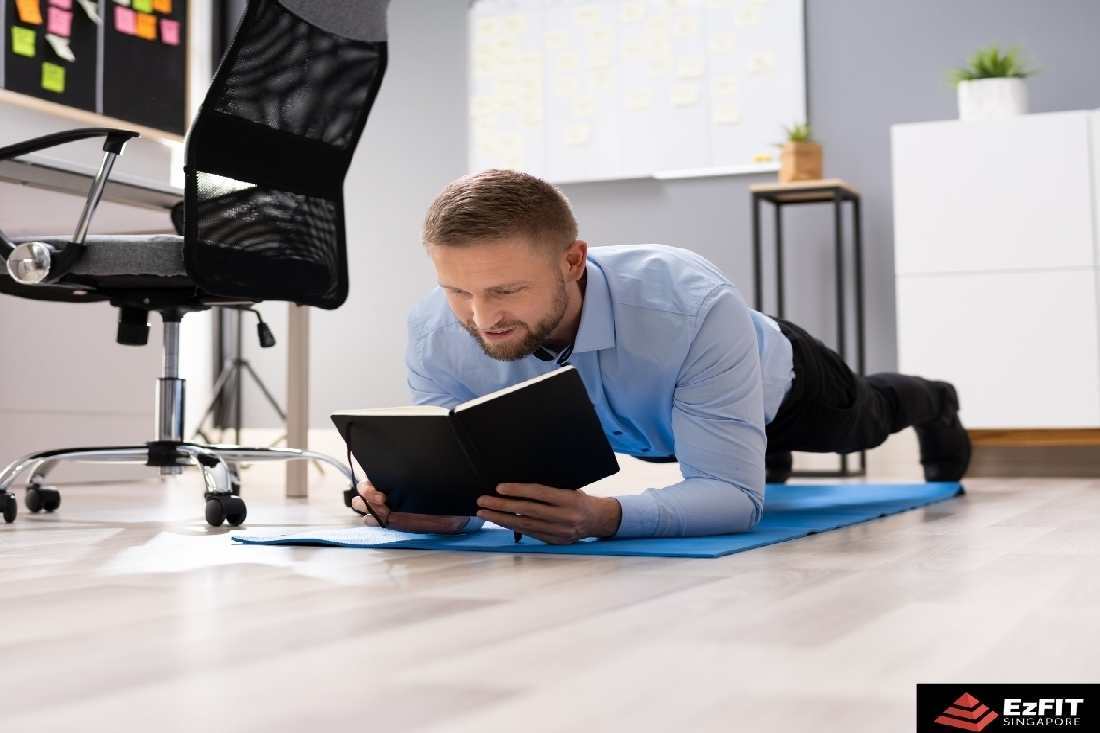
10 Easy Ways to Sneak in Exercise at Work –
Sitting at a desk for eight hours a day takes a serious toll on your health. Between deadlines, meetings, and endless emails, finding time to exercise can feel impossible. But what if you could burn calories, strengthen muscles, and boost your energy without ever leaving the office?
The good news: you don’t need a gym membership or fancy equipment to stay active at work. These 10 simple strategies will help you sneak exercise into your workday, improving your health one small movement at a time.
Why Workplace Exercise Matters
Before we dive into the techniques, let’s look at why moving during work hours is crucial for your wellbeing.
Research shows that prolonged sitting increases the risk of heart disease, diabetes, and obesity. Even if you exercise regularly outside of work, sitting for extended periods can negate some of those benefits. The solution isn’t necessarily working out more—it’s moving more throughout your entire day.
Benefits of exercising at work include improved focus and productivity, reduced stress and anxiety, better posture and fewer aches, increased energy levels, and enhanced mood and creativity.
1. Take the Stairs Instead of the Elevator
This classic tip works because it’s simple and effective. Climbing stairs elevates your heart rate, strengthens your legs and glutes, and burns approximately 10 calories per minute.
Make it a habit by choosing stairs for any trip under five floors. If you work on a high floor, try getting off the elevator a few floors early and walking the rest. You can also use your lunch break to do a few extra trips up and down the stairwell for a quick cardio session.
2. Schedule Walking Meetings
Transform sedentary conference rooms into movement opportunities. Walking meetings are becoming increasingly popular among forward-thinking companies because they boost creativity while providing health benefits.
Suggest a walking meeting next time you need to brainstorm with a colleague or have a one-on-one catch-up. For phone calls that don’t require screen-sharing, take them while walking around your building or outside. The fresh air and movement will help you think more clearly and feel more energized.
3. Set Hourly Movement Reminders
Your body wasn’t designed to stay in one position all day. Combat the effects of prolonged sitting by moving every hour, even if it’s just for 60 seconds.
Use your phone or computer to set hourly reminders. When the alarm goes off, stand up and do any of these quick activities: walk to get water, do 10 desk push-ups, perform 15 squats, stretch your neck and shoulders, or walk to a colleague’s desk instead of emailing.
These micro-breaks add up throughout the day and can significantly reduce the negative impacts of sitting.
4. Use a Standing or Adjustable Desk
Standing desks have exploded in popularity for good reason. Standing while working burns more calories than sitting, improves posture, and reduces back pain.
If your employer offers standing desks, take advantage of them. Can’t get a standing desk? Create a makeshift version by placing your laptop on a sturdy box or filing cabinet for part of the day. The key is alternating between sitting and standing throughout the day rather than standing all day, which can also cause discomfort.
5. Do Desk Exercises During Downtime
Waiting for a file to download or a meeting to start? Use these moments for quick desk exercises that strengthen your muscles without breaking a sweat.
Try these discreet desk exercises: seated leg raises (lift one leg at a time and hold for 10 seconds), desk push-ups (place hands on desk edge and do push-ups at an angle), chair dips (using your chair armrests, lift your body up and down), calf raises (stand and raise up on your toes repeatedly), and shoulder blade squeezes (pull shoulder blades together and hold).
Each exercise takes less than a minute but helps maintain muscle tone and circulation.
6. Park Further Away or Get Off Transit Early
Your commute is an underutilized opportunity for exercise. By adding just a 10-minute walk to your arrival and departure, you’ll get 20 minutes of daily movement without dedicating separate workout time.
Park at the far end of the parking lot instead of circling for the closest spot. If you take public transportation, get off one or two stops early and walk the remaining distance. These small changes add up to significant health benefits over time and help you arrive at work feeling more awake and focused.
7. Take Active Lunch Breaks
Your lunch break shouldn’t be spent hunched over your keyboard. Use this time to move your body and reset your mind for the afternoon.
Here are active lunch break ideas: take a 15-20 minute brisk walk around your building or nearby park, do a quick yoga or stretching routine, visit a nearby gym for a short workout, play a sport with colleagues like basketball or frisbee, or take the stairs up and down several flights.
You don’t need to use your entire lunch break—even 15 minutes of activity will refresh you for the rest of the workday.
8. Replace Your Chair with a Stability Ball
Sitting on a stability ball engages your core muscles throughout the day as you work to maintain balance. This simple swap can strengthen your abs and back while improving your posture.
Start by alternating between your regular chair and the ball—sitting on the ball for 30 minutes at a time initially. Make sure the ball is the right size so your knees and hips are at 90-degree angles when seated. While sitting on the ball, you can also do subtle bounces or small movements to keep your body active.
Not ready to fully commit? Keep a stability ball at your desk and sit on it during specific tasks like reading emails or attending virtual meetings.
9. Practice Isometric Exercises at Your Desk
Isometric exercises involve holding muscles in tension without movement—perfect for discreet workplace exercise. No one will even know you’re working out.
Try these isometric techniques: glute squeezes (tighten your glute muscles and hold for 10 seconds, repeat 10 times), ab contractions (pull your belly button toward your spine and hold), desk grips (press your palms against your desk and push for 10 seconds), and thigh presses (place your hands on the outside of your knees and press inward while resisting with your legs).
These exercises build strength and can be done during meetings, phone calls, or while reading documents.
10. Use Your Breaks to Stretch
Stretching is often overlooked but crucial for counteracting the muscle tightness that comes from sitting. Regular stretching improves flexibility, reduces pain, and helps prevent injury.
Set aside 5 minutes during your morning break, lunch, and afternoon break to stretch. Focus on areas that get tight from sitting: neck rolls to release tension, shoulder stretches by clasping hands behind your back, chest openers by placing hands on a doorframe and leaning forward, hip flexor stretches by taking a lunge position, and spinal twists while seated in your chair.
These stretches will help you feel looser, more comfortable, and more productive throughout the day.
Creating Your Workplace Exercise Routine
The key to successfully exercising at work isn’t doing everything at once—it’s building sustainable habits gradually. Start by choosing two or three strategies from this list that feel most doable for your work environment and schedule.
Here’s a sample daily routine: morning (park far away and take the stairs), mid-morning (set a reminder for desk exercises at 10am), lunch (take a 15-minute walk), afternoon (do isometric exercises during a meeting at 2pm, take the stairs at 3pm), and end of day (stretch for 5 minutes before leaving).
This routine provides multiple movement opportunities throughout your day without requiring major schedule changes or gym equipment.
Tips for Staying Consistent
Building new habits takes time and intention. Use these strategies to make workplace exercise stick.
Track your progress by marking a calendar each day you complete your movement goals. Having a visual record keeps you motivated. Find an accountability partner among your coworkers who also wants to be more active. You can remind each other and even exercise together during breaks.
Dress comfortably by keeping a pair of walking shoes at your desk so you’re always prepared for movement. Make it enjoyable by listening to music or podcasts during walks, or turn desk exercises into a game or challenge with yourself.
Remember that something is always better than nothing. Even on your busiest days, a few minutes of movement provides benefits.
Conclusion
You don’t need a gym membership or hours of free time to improve your health. By sneaking exercise into your workday with these 10 strategies, you’ll combat the negative effects of sitting, boost your energy and mood, and feel better both at work and at home.
Start small, be consistent, and watch as these simple habits transform your workday wellness. Your body will thank you—and you might even find that moving more makes you more productive and focused at work.
Which strategy will you try first? The best time to start moving more at work is right now.