
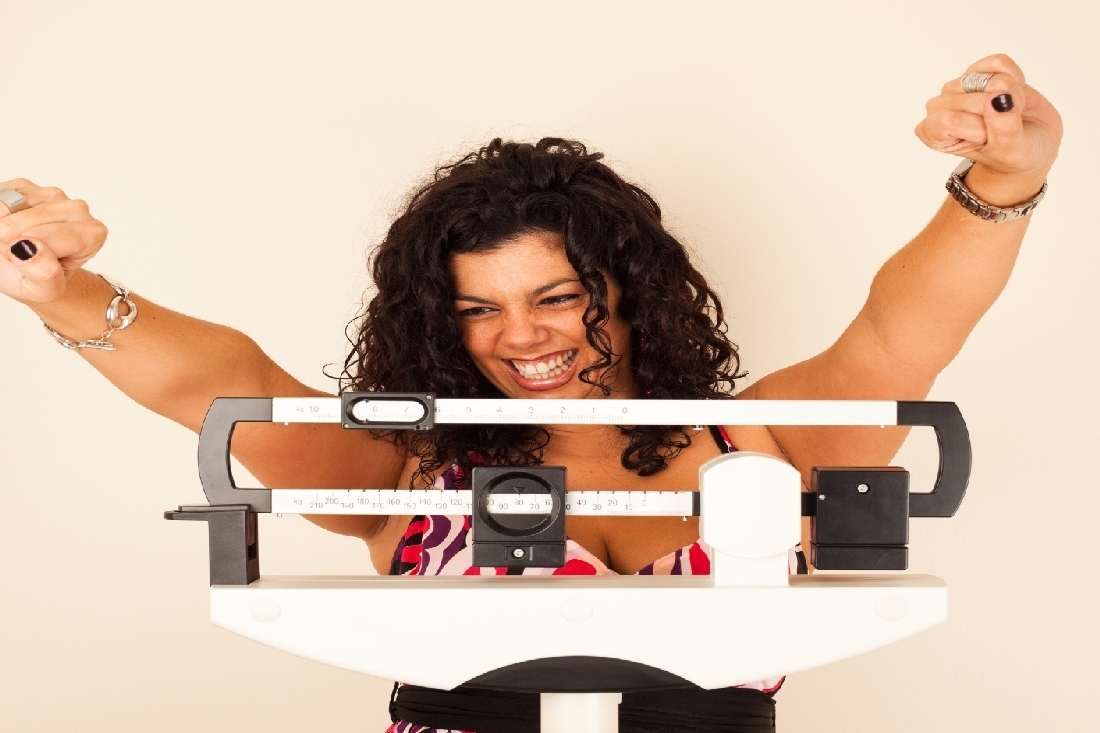
The Science Behind Weight Loss: How It Really Works – Weight loss happens when the body consistently burns more energy (calories) than it consumes, forcing it to draw on stored fat for fuel. This process — called a calorie deficit — is influenced by metabolism, hormones, muscle mass, sleep, stress, and food quality, which is why two people eating the same calories can lose weight at different rates.
Introduction
Weight loss is one of the most searched health topics online, yet it’s also one of the most misunderstood. Fad diets, viral supplements, and conflicting advice make it hard to know what actually works. The truth is simpler — and more interesting — than most marketing suggests. This article breaks down the real physiology behind weight loss, backed by science, so you understand not just what to do, but why it works.
1. The Foundation: Energy Balance
At its core, weight change is governed by the energy balance equation:
Calories In vs. Calories Out
- Calories In – energy from food and drinks
- Calories Out – energy your body uses, made up of:
- Basal Metabolic Rate (BMR): energy used at rest to keep organs functioning (60–75% of total burn)
- Thermic Effect of Food (TEF): energy used to digest food (~10%)
- Physical Activity: exercise and daily movement (15–30%)
When calories in are consistently lower than calories out, the body taps into stored fat for energy, resulting in weight loss. When the reverse happens, fat is stored.
Why this matters: No supplement, diet trend, or “metabolism hack” can override this fundamental principle of thermodynamics — it can only influence how easily you maintain that deficit.
2. Metabolism: The Engine Behind the Numbers
Metabolism refers to all chemical processes that convert food into energy. Key factors that influence your metabolic rate include:
- Muscle mass – muscle burns more calories at rest than fat tissue
- Age – metabolism naturally slows with age due to muscle loss
- Genetics – baseline metabolic rate varies between individuals
- Body size – larger bodies generally burn more total calories
Common myth: “My metabolism is broken.” In reality, true metabolic damage is rare. What often happens is metabolic adaptation — the body becomes slightly more efficient during prolonged dieting, which can slow (but not stop) progress.
3. The Hormonal Side of Weight Loss
Weight regulation isn’t just about willpower — it’s heavily influenced by hormones:
| Hormone | Role in Weight Regulation |
|---|---|
| Insulin | Regulates blood sugar and fat storage |
| Leptin | Signals fullness to the brain |
| Ghrelin | Triggers hunger sensations |
| Cortisol | Chronic stress can increase fat storage, especially abdominal fat |
| Thyroid hormones | Control overall metabolic rate |
This is why sleep, stress management, and consistency often matter as much as diet composition — they directly affect these hormonal signals.
4. Why "Diet Quality" Matters, Not Just Quantity
While calorie balance determines whether you lose weight, food quality determines how sustainable and healthy that process is:
- Protein preserves muscle mass and increases satiety
- Fiber slows digestion and reduces hunger
- Whole foods support gut health and nutrient sufficiency
- Ultra-processed foods are easier to overeat due to their engineered taste and texture
Two people in the same calorie deficit can have very different experiences — one sustainable, one miserable — depending on food choices.
5. The Role of Movement and Exercise
Exercise supports weight loss in three main ways:
- Increases total daily energy expenditure
- Preserves lean muscle mass during a deficit (especially resistance training)
- Improves insulin sensitivity and metabolic health
Cardio burns calories in the moment; strength training helps maintain the muscle that keeps metabolism higher long-term.
6. Why Weight Loss Isn't Linear
Body weight fluctuates daily due to water retention, hormonal cycles, sodium intake, and digestion. This is why:
- Trends over weeks, not days, matter most
- Plateaus are a normal part of adaptation, not failure
- Non-scale progress (energy, strength, sleep, mood) matters too
Frequently Asked Questions (FAQ)
How much of weight loss is diet vs. exercise?
Diet typically has a larger direct impact on weight loss because it’s easier to create a calorie deficit through eating than through exercise alone. Exercise plays a critical supporting role in preserving muscle and improving long-term metabolic health.
Why do I lose weight fast at first, then slow down?
Early weight loss often includes water weight loss, which happens quickly. As the body adapts to a calorie deficit, fat loss continues at a steadier, slower pace.
Can stress prevent weight loss?
Yes. Chronic stress raises cortisol levels, which can increase appetite, cravings, and fat storage — particularly around the abdomen — even when calorie intake stays the same.
Is it true that metabolism slows down with age?
Yes, but gradually. Much of the age-related slowdown is linked to loss of muscle mass over time, which can be minimized through strength training.
Does sleep affect weight loss?
Significantly. Poor sleep disrupts hunger hormones (leptin and ghrelin), often increasing appetite and cravings for high-calorie foods the next day.
Key Takeaways
- Weight loss fundamentally depends on sustained energy balance
- Metabolism, hormones, sleep, and stress all influence how that balance plays out
- Food quality affects hunger, sustainability, and health — not just calories
- Progress should be measured over weeks, not days
- Muscle-preserving strategies (protein + strength training) support long-term success