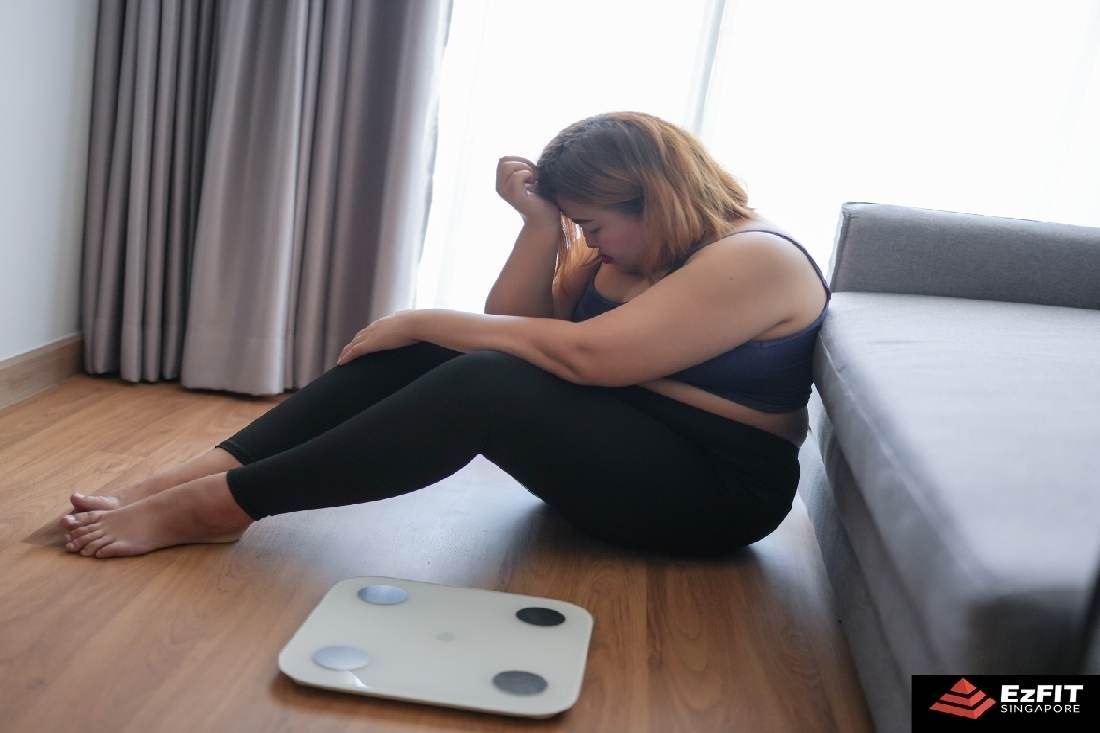

The Best Exercises for Weight Loss: A Science-Backed Guide – Losing weight isn’t about finding one “magic” workout — it’s about combining the right mix of exercises with consistency and a sensible diet. Below is a breakdown of the most effective, research-supported exercises for weight loss, how they work, and how to combine them into a realistic weekly plan.
Quick Answer
The best exercises for weight loss are a combination of strength training (to build muscle and boost metabolism), HIIT and cardio (to burn calories and improve heart health), and daily walking (to increase overall activity). Most people see the best results doing strength training 2–3 times a week, cardio or HIIT 2–3 times a week, and walking 7,000–10,000 steps daily.
Why Exercise Type Matters for Weight Loss
Weight loss ultimately comes down to a sustained calorie deficit, but not all exercise affects that deficit — or your body — the same way:
- Cardio burns calories during the workout itself.
- Strength training builds lean muscle, which raises your resting metabolic rate so you burn more calories even at rest.
- HIIT (High-Intensity Interval Training) triggers “afterburn” (EPOC), meaning your body keeps burning calories for hours after you finish.
- Low-intensity movement (walking, NEAT) adds up over the day and is easier to sustain long-term than intense workouts alone.
The most effective weight loss routines combine all four.
1. Strength Training (Resistance Training)
Strength training is often underrated for weight loss because it doesn’t burn as many calories in the moment as running. But it’s one of the most important tools for long-term fat loss because it preserves and builds muscle while you’re in a calorie deficit — which keeps your metabolism higher.
How to do it:
- 2–4 sessions per week
- Focus on compound movements: squats, deadlifts, lunges, push-ups, rows
- Aim for 8–12 reps per set, 3–4 sets per exercise
- Progressively increase weight or reps over time
2. High-Intensity Interval Training (HIIT)
HIIT alternates short bursts of intense effort (20–60 seconds) with brief recovery periods. Studies consistently show HIIT burns comparable or greater calories than steady-state cardio in less time, and produces a strong afterburn effect.
How to do it:
- 2–3 sessions per week, 15–25 minutes each
- Example: 30 seconds sprinting or burpees, 30–60 seconds rest, repeat 8–10 rounds
- Great for people with limited time
3. Walking
Walking is one of the most sustainable, joint-friendly exercises for weight loss — and often overlooked. Increasing your daily step count improves your calorie burn without adding recovery stress, making it easier to stay consistent.
How to do it:
- Aim for 7,000–10,000+ steps per day
- Add short walks after meals to help regulate blood sugar
- Combine with incline walking or hiking for extra intensity
4. Running and Jogging
Running is a highly effective calorie-burning cardio exercise and improves cardiovascular fitness alongside fat loss.
How to do it:
- Start with 20–30 minute sessions, 2–3 times per week
- Mix steady-state runs with occasional interval sprints
- Gradually increase distance or pace to avoid injury
5. Cycling
Cycling is low-impact, making it ideal for people with joint issues, while still delivering a strong calorie burn.
How to do it:
- 30–45 minutes, 2–3 times per week
- Outdoor cycling or stationary bike both work
- Add resistance or hill intervals for a HIIT-style effect
6. Swimming
Swimming works the entire body, burns significant calories, and is extremely low-impact on joints.
How to do it:
- 30 minutes, 2–3 times per week
- Alternate strokes to engage different muscle groups
- Great option for those recovering from injury
7. Rowing
Rowing combines cardio and strength, engaging the legs, back, arms, and core simultaneously — making it one of the most calorie-efficient full-body exercises.
How to do it:
- 20–30 minutes, 2–3 times per week
- Use intervals (e.g., 500m hard, 500m easy) for extra intensity
8. Jump Rope
Jump rope is a compact, highly efficient cardio exercise that can burn as many calories as running in less time.
How to do it:
- 10–20 minutes, broken into short intervals
- Great for at-home workouts with minimal equipment
Sample Weekly Weight Loss Workout Plan
| Day | Workout |
|---|---|
| Monday | Strength training (full body) |
| Tuesday | HIIT (20 min) + walk |
| Wednesday | Rest or light walk |
| Thursday | Strength training (full body) |
| Friday | Cycling or swimming (30 min) |
| Saturday | HIIT or jump rope (20 min) |
| Sunday | Long walk or hike |
Exercise Alone Isn't Enough
Exercise supports weight loss, but nutrition drives the calorie deficit that makes fat loss possible. Prioritize adequate protein (to preserve muscle), whole foods, and consistent sleep alongside your workout routine for the best results.
Frequently Asked Questions (FAQ)
What is the single best exercise for weight loss? There isn’t one “best” exercise — a combination of strength training and cardio (like HIIT or walking) produces the best long-term results because it burns calories while preserving muscle mass.
How many days a week should I exercise to lose weight? Most people see effective results exercising 4–6 days a week, mixing strength training, cardio, and daily walking.
Can I lose weight with just walking? Yes. Walking consistently (7,000–10,000+ steps daily) combined with a calorie deficit can lead to meaningful weight loss, especially for beginners.
Is cardio or strength training better for weight loss? Both matter. Cardio burns more calories during the workout; strength training builds muscle that raises your metabolism over time. Combining both is more effective than either alone.
How long does it take to see weight loss results from exercise? Most people notice initial changes in 2–4 weeks, with more visible results in 8–12 weeks, depending on diet consistency and workout frequency.