10 Tips for Healthy Grocery Shopping on a Budget – Eating healthy doesn’t have to drain your wallet. With rising food prices, many people assume that nutritious meals are only for those with big grocery budgets — but that’s a myth. With a little planning and a few smart habits, you can eat well and spend less. Below are 10 practical, easy-to-follow tips for healthy grocery shopping on a budget.
Quick Answer
How can I grocery shop healthy on a budget? Plan meals around sales and seasonal produce, buy whole foods instead of processed ones, shop with a list, use frozen and canned staples, and stick to store brands. These five habits alone can cut grocery costs by 20–30% while improving the nutritional quality of your meals.
1. Plan Your Meals Before You Shop
Meal planning is the single biggest money-saver in grocery shopping. Before you head to the store, map out what you’ll eat for the week. This prevents impulse purchases and food waste, both of which quietly drain your budget.
Tip: Build your meals around what’s already in your pantry and fridge first, then fill in the gaps with your shopping list.
2. Make a List — and Stick to It
Shopping without a list leads to overspending on items you don’t need. Studies consistently show that shoppers with a list spend less and make healthier choices, since they’re not reacting to impulse displays near checkout aisles.
Tip: Organize your list by store section (produce, dairy, grains, proteins) to shop faster and avoid backtracking.
3. Buy Whole, Unprocessed Foods
Whole foods like beans, rice, oats, eggs, and seasonal vegetables are almost always cheaper per serving than packaged, processed alternatives — and they’re more nutrient-dense.
Budget swap examples:
- Oats instead of sugary cereal
- Dried beans instead of pre-made meals
- Whole chicken instead of pre-cut portions
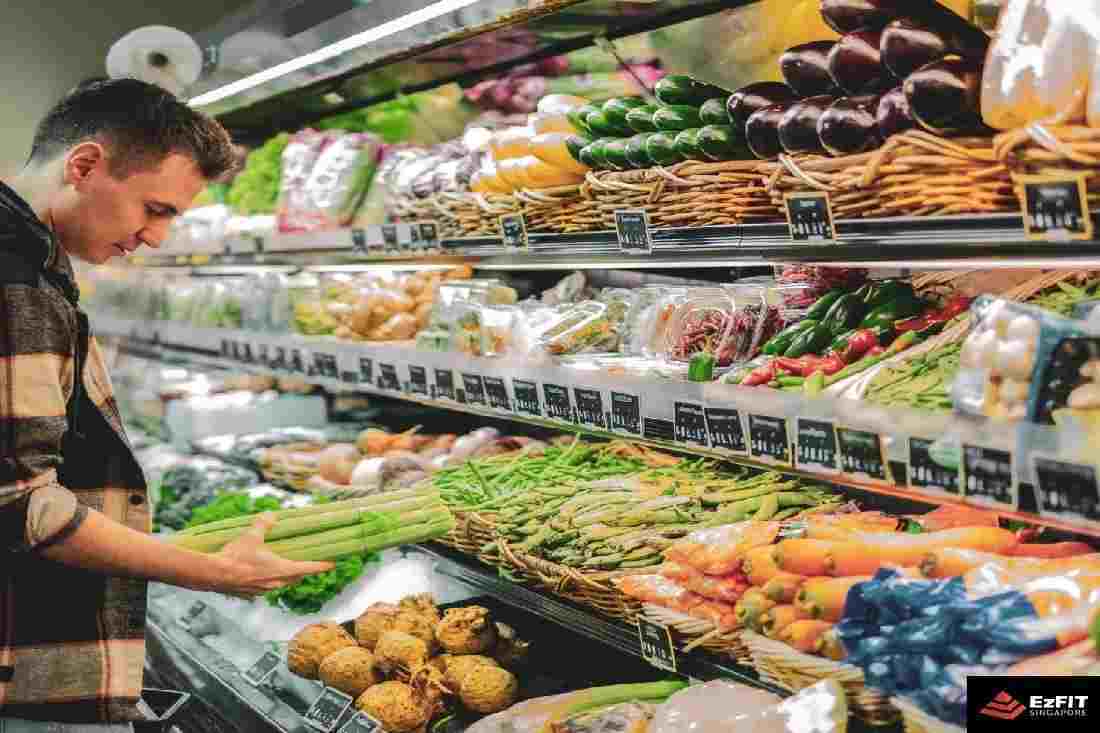
4. Shop Seasonal and Local Produce
Fruits and vegetables in season are cheaper, fresher, and more flavorful. Farmers markets often beat supermarket prices for local, in-season produce, especially near closing time.
5. Don't Skip the Frozen Aisle
Frozen fruits and vegetables are flash-frozen at peak ripeness, locking in nutrients — often making them just as healthy as fresh, at a fraction of the cost and with a much longer shelf life. This also reduces food waste.
6. Buy in Bulk (Strategically)
Buying staples like rice, oats, lentils, and nuts in bulk reduces cost per unit significantly. Just make sure you’ll actually use the quantity before it spoils — bulk buying only saves money if the food doesn’t go to waste.
7. Compare Unit Prices, Not Package Prices
The bigger package isn’t always the cheaper option. Check the unit price (cost per ounce, gram, or item) listed on the shelf tag to find genuine savings.
8. Choose Store Brands Over Name Brands
Store-brand (generic) products are often made in the same facilities as name brands, with nearly identical ingredients, at 20–30% lower prices. This is one of the easiest ways to cut costs without sacrificing quality.
9. Plan Around Sales and Loyalty Programs
Check weekly store flyers and apps before finalizing your meal plan, and build meals around discounted proteins and produce. Loyalty programs and cashback apps can add up to meaningful savings over a year.
10. Cook in Batches and Repurpose Leftovers
Batch cooking proteins, grains, and vegetables lets you mix and match meals throughout the week, cutting both cost and decision fatigue. Repurposing leftovers (like turning roast chicken into soup) stretches your grocery budget even further.
Frequently Asked Questions
What are the cheapest healthy foods to buy? Eggs, beans, lentils, oats, brown rice, frozen vegetables, canned tuna, bananas, and seasonal produce are among the most affordable and nutrient-dense options available at most grocery stores.
How much should a healthy grocery budget be per week? This varies by household size and location, but a general guideline in the U.S. is $50–$75 per person per week for a nutritious, balanced diet, though careful planning can bring this lower.
Is it cheaper to meal prep or buy groceries as needed? Meal prepping is typically cheaper because it reduces food waste, prevents impulse buys, and allows you to buy ingredients in efficient quantities aligned with your meal plan.
Are frozen vegetables as healthy as fresh? Yes. Frozen vegetables are flash-frozen shortly after harvest, which preserves most vitamins and minerals — in some cases, they retain more nutrients than fresh produce that’s spent days in transit and storage.
Final Thoughts
Healthy eating and budget-friendly grocery shopping aren’t mutually exclusive — they go hand in hand when you shop with intention. Start with just two or three of these tips (meal planning, a shopping list, and choosing whole foods are great first steps), and build from there. Small, consistent changes add up to real savings and better nutrition over time.