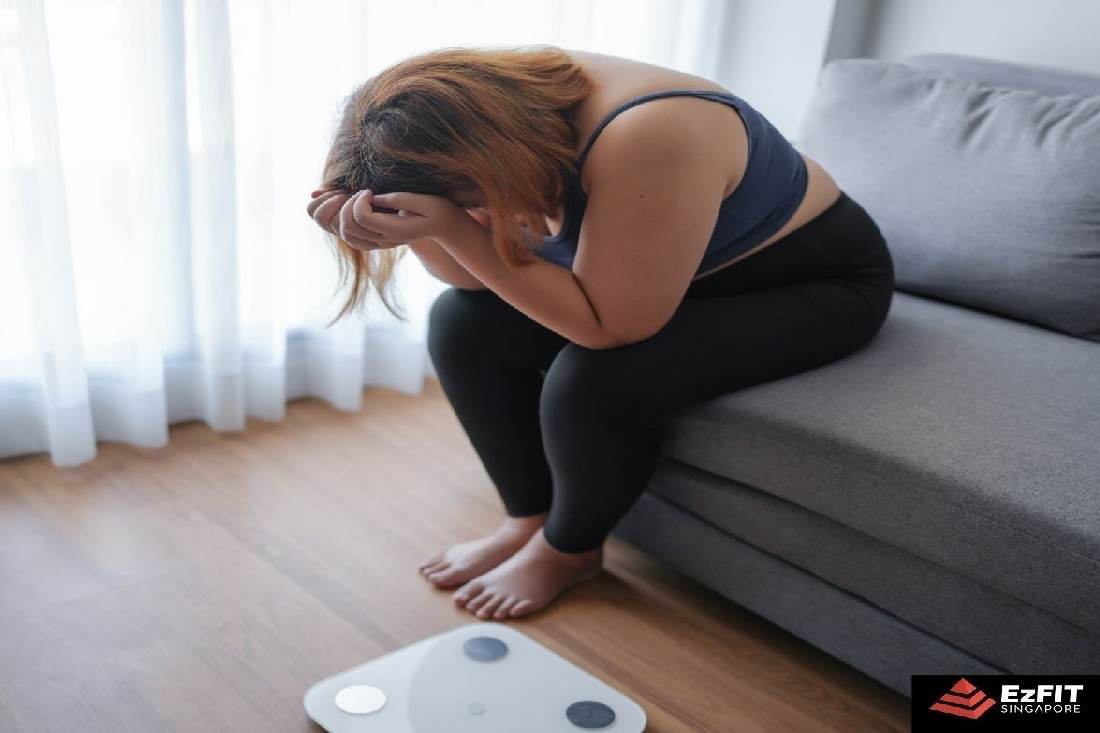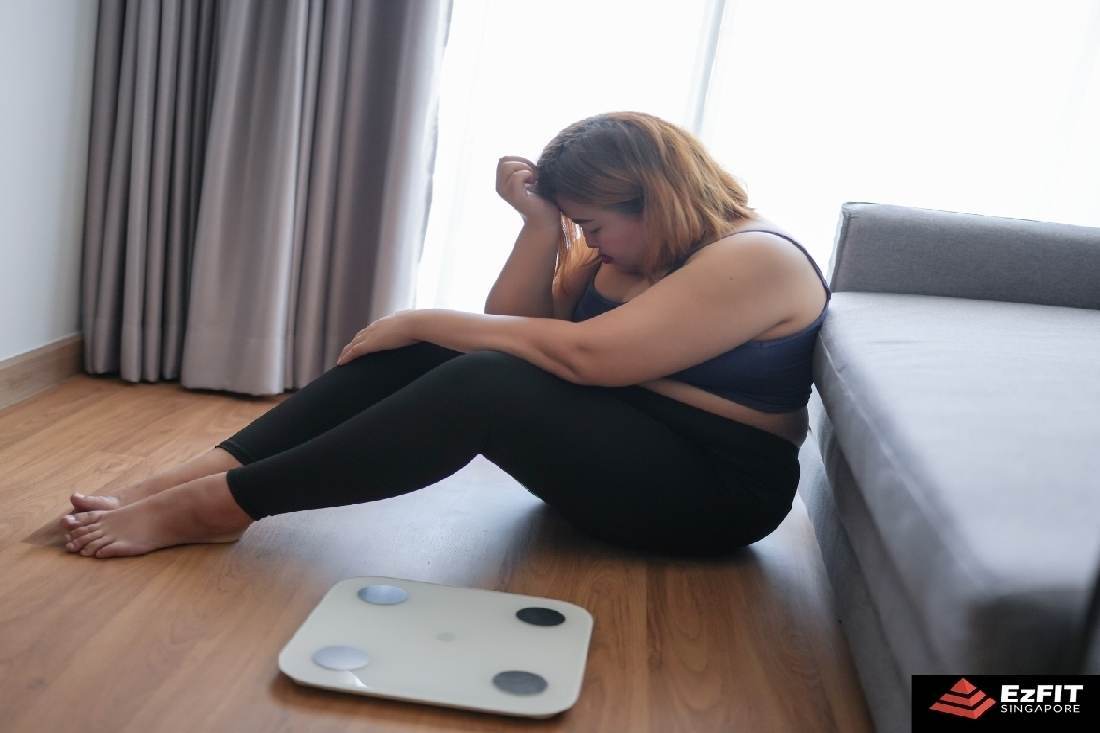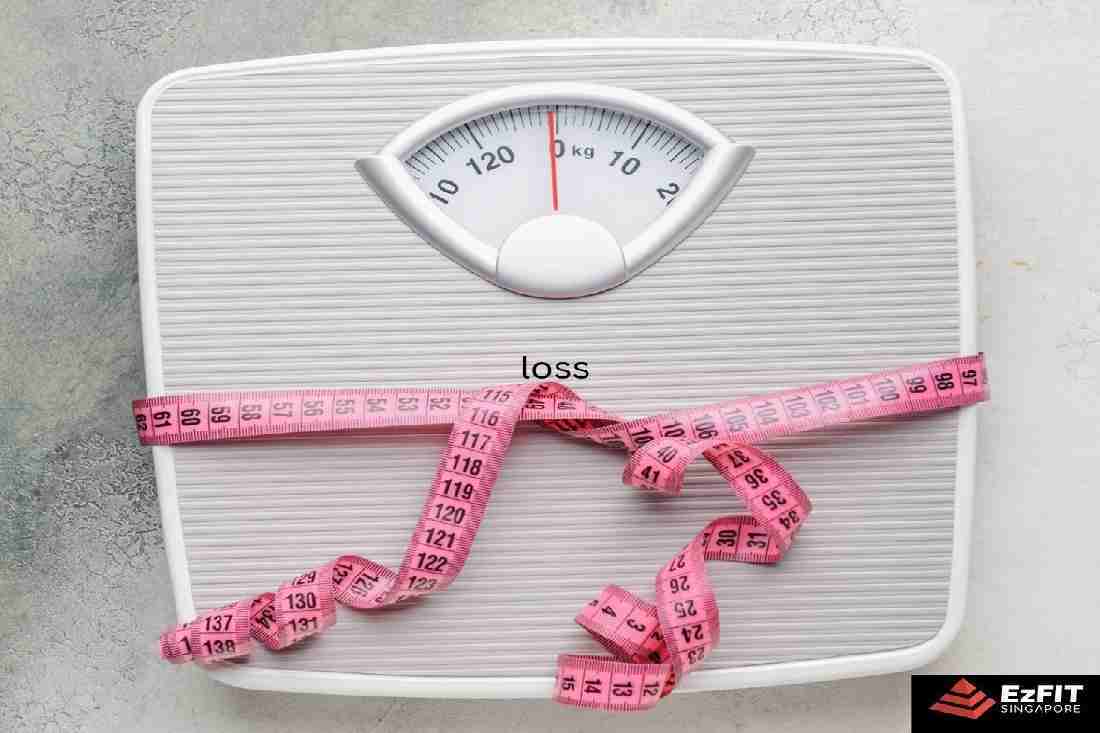
Setting Realistic Expectations for Weight Loss – A realistic, healthy rate of weight loss for most adults is 0.5 to 1 kg per week. That works out to roughly 2–4 kg a month, or 6–12 kg over three months. Singapore’s HPB–MOH obesity guidelines, the UK NHS and the US CDC all point to this same range. Faster loss is more likely to come from water and muscle, and more likely to be regained.
If you’ve ever started a diet expecting to drop 5 kg in two weeks, you’re not alone. Social media “transformations” and crash-diet promises make slow progress feel like failure. But the people who keep weight off are usually the ones who lost it steadily.
This guide explains what to expect week by week, why the scale jumps around, and how to set goals you’ll actually hit.
How fast can you realistically lose weight?
Most adults can safely lose 0.5–1 kg per week through a moderate calorie deficit plus regular exercise. Singapore’s HPB–MOH Clinical Practice Guidelines on Obesity state that realistic weight loss should preferably not exceed this range.
To lose about 0.5 kg of fat a week, you need a daily deficit of roughly 500–550 kcal. That can come from eating a little less, moving a little more, or both.
Going faster has real costs. The NHS warns that losing more than 1 kg a week raises the risk of malnutrition, gallstones, fatigue and feeling unwell. Very low-calorie diets also strip away muscle, which lowers the calories your body burns at rest.
Why the first week is different: many people see 1–2 kg drop in week one. That’s mostly water and stored carbohydrate, not fat. Expect the pace to settle into the 0.5–1 kg range after that.
Why the scale goes up even when you're doing everything right
Daily weight can swing by 1–2 kg because of water, food and hormones, not fat. Fat loss is slow and steady; scale weight is noisy. Judge progress by the weekly trend, not a single morning.
Common reasons the number jumps:
- Salt and carbs: a salty hawker dinner or a high-carb day makes your body hold extra water overnight.
- New training: muscles retain fluid while they repair, especially in the first few weeks of strength work.
- Hormonal cycles: many women see a temporary rise in the days before their period.
- Digestion and timing: food still in your system, or weighing after a meal, adds weight.
- Heat and hydration: Singapore’s humidity changes how much you sweat and drink day to day.
What about plateaus? The NHS notes that weight loss tends to plateau after a while. As you get lighter, you burn fewer calories, so the deficit that worked in month one shrinks. A plateau of 2–3 weeks is normal. If it lasts longer, review portions, step count and sleep before cutting food further.
Tip: weigh yourself at the same time, 2–3 mornings a week, and track the weekly average.
A realistic weight loss timeline
At 0.5–1 kg a week, losing 10 kg takes roughly 10–20 weeks. Here’s what a steady plan typically looks like, assuming consistent eating habits and 2–3 training sessions a week.
| Timeframe | Expected weight change | What you’ll likely notice |
|---|---|---|
| Week 1–2 | 1–3 kg (much of it water) | Less bloating, better energy |
| Month 1 | 2–4 kg | Clothes start fitting differently |
| Month 3 | 6–12 kg | Visible change; strength and stamina up |
| Month 6 | 10–20 kg, or reaching 5–10% of starting weight | Measurable health improvements; habits feel automatic |
Your own pace depends on starting weight, age, sex, sleep, stress and medication. People with more to lose often lose faster at first. If you’ve made changes for six months without reaching a healthy weight, the NHS suggests speaking to your doctor.
How to set realistic weight loss goals
Start with a target of 5–10% of your current body weight. According to the CDC, even this modest loss is likely to improve blood pressure, cholesterol and blood sugar. For someone at 80 kg, that’s 4–8 kg — a goal you can reach in 2–4 months.
Use SMART goals, and make most of them about actions, not the scale:
- Specific: “Strength train twice a week” beats “get fit.”
- Measurable: track steps, sessions, or waist size in cm.
- Achievable: 0.5 kg a week, not 2 kg.
- Relevant: tie it to something you care about — climbing stairs without breathlessness, keeping up with your kids.
- Time-bound: set a 12-week checkpoint, then reassess.
Track non-scale victories too. Waist measurement, how clothes fit, sleep quality, energy, and strength gains often improve before the scale moves much.
A Singapore-specific note: HPB uses Asian BMI cut-offs. A BMI of 23 or above already signals higher risk of diabetes and heart disease, so a modest drop matters even if you don’t feel “overweight.”
Why strength training belongs in a realistic plan
Strength training helps make sure the weight you lose is fat, not muscle. Keeping muscle keeps your resting metabolism higher, which makes the weight easier to keep off. Aim for at least two strength sessions a week alongside 150 minutes of moderate activity.
For busy professionals, consistency is the hard part. That’s where short, guided sessions help.
Power Plate (whole-body vibration) training is one option. You perform squats, lunges and planks on a vibrating platform, which adds challenge to familiar moves in a shorter session. It’s low-impact on the joints, which suits beginners and people returning to exercise. Like any tool, it works best as part of a plan that includes good nutrition, sleep and progressive training — it isn’t a shortcut on its own.
A personal trainer adds the piece most people lack: accountability. Someone tracking your progress, adjusting the plan at a plateau, and reminding you that 0.5 kg a week is success.
Frequently Asked Questions (FAQ)
How much weight can I realistically lose in a month?
Most people can realistically lose 2–4 kg in a month at a safe pace of 0.5–1 kg per week. The first month may show more because of early water loss.
Is losing 2 kg a week safe?
For most adults, no. Losing more than 1 kg a week raises the risk of muscle loss, gallstones and fatigue, and the weight is more likely to return. Faster loss should only happen under medical supervision.
Why am I not losing weight even though I’m eating less?
Water retention, new muscle repair, hormonal cycles and underestimating portions are the usual causes. Track your weekly average for 3–4 weeks before changing the plan.
How long does it take to see results from weight loss?
You may feel more energetic within 1–2 weeks. Others typically notice a visible change after 4–8 weeks of consistent effort.
What is a good first weight loss goal?
Aim to lose 5–10% of your current body weight. This amount is linked to better blood pressure, cholesterol and blood sugar.
Is slow weight loss better?
Yes. Losing weight gradually preserves muscle, builds lasting habits, and makes it more likely you’ll keep the weight off long term.
Key Takeaways
- A healthy, realistic pace is 0.5–1 kg per week (2–4 kg a month).
- Early fast drops are mostly water; daily weight swings of 1–2 kg are normal.
- Plateaus of 2–3 weeks are expected as your body adapts.
- Start with a 5–10% body weight goal for meaningful health gains.
- Pair a moderate calorie deficit with strength training to keep muscle.
Ready to start with a plan that fits?
At EzFit Singapore, our personal trainers build realistic, sustainable plans around your schedule — including time-efficient Power Plate sessions. Book a free consultation and we’ll help you set goals you can actually reach.