The Role of Strength Training in Weight Loss –
When most people think about losing weight, cardio comes to mind first — running, cycling, endless hours on the elliptical. But a growing body of research shows that strength training plays an equally, if not more, important role in weight loss than cardio alone. It doesn’t just burn calories during your workout; it reshapes your body composition and metabolism in ways that support long-term, sustainable fat loss.
This guide breaks down exactly how strength training contributes to weight loss, why it outperforms cardio-only approaches for lasting results, and how to build a routine that works.
What Is Strength Training?
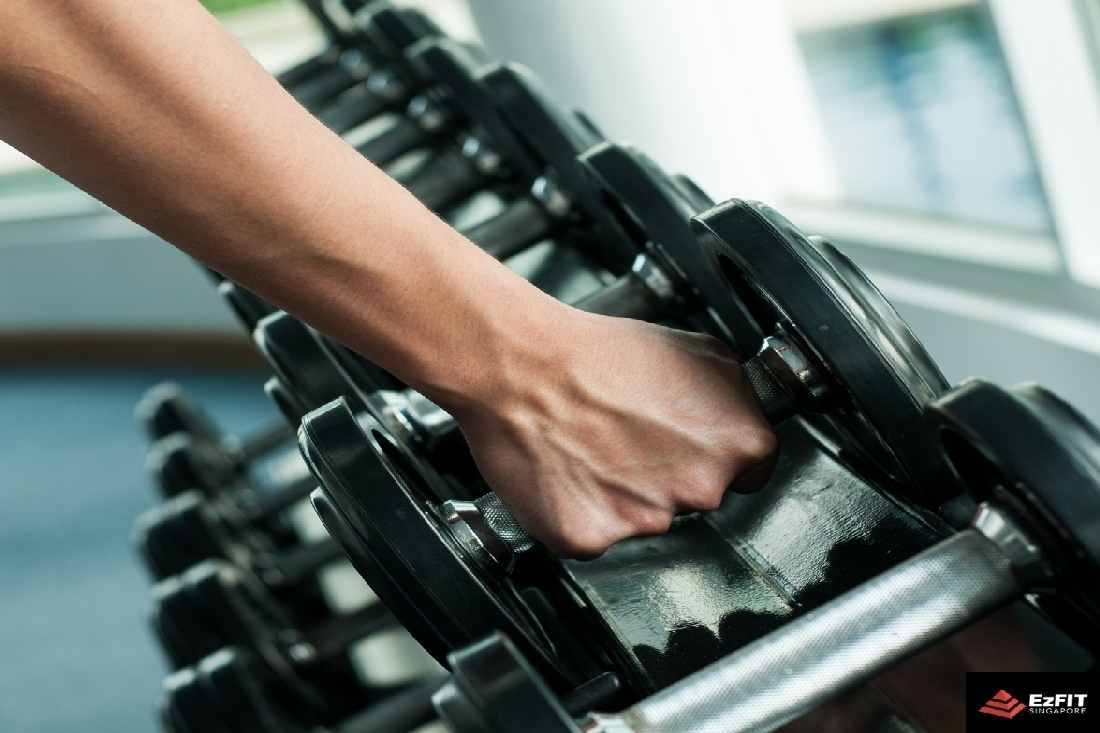
Strength training (also called resistance training) involves exercises that work your muscles against resistance — whether that’s free weights, resistance bands, weight machines, or your own body weight. Common examples include squats, deadlifts, push-ups, and dumbbell rows.
How Strength Training Supports Weight Loss
1. It Builds Metabolically Active Muscle
Muscle tissue burns more calories at rest than fat tissue does. The more lean muscle mass you carry, the higher your resting metabolic rate (RMR) — meaning you burn more calories even when you’re not exercising. This is one of the biggest differences between strength training and cardio: cardio burns calories mainly during the activity, while muscle keeps burning calories around the clock.
2. It Triggers the "Afterburn Effect"
Strength training creates a phenomenon known as excess post-exercise oxygen consumption (EPOC). After an intense weight-training session, your body continues to burn extra calories for hours — sometimes up to 24-48 hours — as it repairs muscle tissue and restores itself to baseline.
3. It Preserves Muscle During a Calorie Deficit
Losing weight through diet alone often leads to muscle loss along with fat loss, which can slow your metabolism over time. Strength training signals your body to preserve — and even build — muscle while you’re in a calorie deficit, so more of the weight you lose comes from fat, not muscle.
4. It Improves Body Composition, Not Just the Number on the Scale
Two people can weigh the same but look completely different depending on their muscle-to-fat ratio. Strength training helps you lose fat while maintaining or gaining muscle, leading to a leaner, more toned appearance even if the scale doesn’t drop as fast as expected.
5. It Boosts Insulin Sensitivity and Fat Metabolism
Resistance training improves how your body processes glucose and uses fat for fuel, which supports better long-term weight management and reduces the risk of metabolic conditions like type 2 diabetes.
Strength Training vs. Cardio for Weight Loss
| Factor | Strength Training | Cardio |
|---|---|---|
| Calories burned during exercise | Moderate | High |
| Calories burned after exercise | High (EPOC effect) | Low |
| Muscle preservation | Strong | Minimal |
| Long-term metabolic boost | Yes | Limited |
| Body composition improvement | Significant | Moderate |
The most effective weight loss strategy typically combines both — strength training to build and preserve muscle, and cardio to support cardiovascular health and add extra calorie burn.
How to Get Started with Strength Training for Weight Loss
- Start with compound movements — squats, deadlifts, lunges, push-ups, and rows work multiple muscle groups at once and burn more calories per session.
- Train 2-4 times per week, allowing rest days for muscle recovery.
- Progressively overload — gradually increase weight, reps, or sets over time to keep challenging your muscles.
- Pair with adequate protein intake to support muscle repair and growth.
- Combine with a moderate calorie deficit — strength training works best for weight loss when paired with balanced nutrition, not as a replacement for it.
Common Myths About Strength Training and Weight Loss
-
- “Lifting weights will make me bulky.” Building significant muscle mass takes years of dedicated training and surplus calories — for most people, especially in a calorie deficit, strength training leads to a leaner physique, not bulk.
- “Cardio is better for fat loss.” Cardio burns more calories in the moment, but strength training offers superior long-term metabolic benefits.
- “You need to do cardio every day to lose weight.” Consistent strength training 2-4 times a week, combined with proper nutrition, can be more effective and sustainable than daily cardio.
Frequently Asked Questions (FAQ)
Does strength training burn as many calories as cardio?
Not during the workout itself, but it burns more calories afterward through the afterburn effect (EPOC) and increases resting metabolic rate by building muscle — making its total calorie impact competitive with or greater than cardio over time.
How often should I strength train to lose weight?
Most experts recommend 2-4 sessions per week, targeting all major muscle groups, with rest days in between for recovery.
Can I lose weight with strength training alone, without cardio?
Yes. Strength training combined with a calorie deficit can lead to effective weight loss, though adding cardio can accelerate results and improve cardiovascular health.
Is strength training better than cardio for losing belly fat?
Neither exercise type spot-reduces fat, but strength training helps preserve muscle and boost metabolism, which supports overall fat loss, including around the midsection, when combined with proper diet.
How long before I see weight loss results from strength training?
Most people notice changes in body composition and strength within 4-6 weeks, with more visible weight loss results typically appearing around 8-12 weeks, depending on diet and consistency.
Conclusion
Strength training is a cornerstone of effective, sustainable weight loss — not just a muscle-building activity. By preserving lean mass, boosting metabolism, and improving body composition, it helps you lose fat while keeping your body strong and functional. For the best results, pair resistance training with a balanced diet and moderate cardio for a well-rounded approach to weight management.