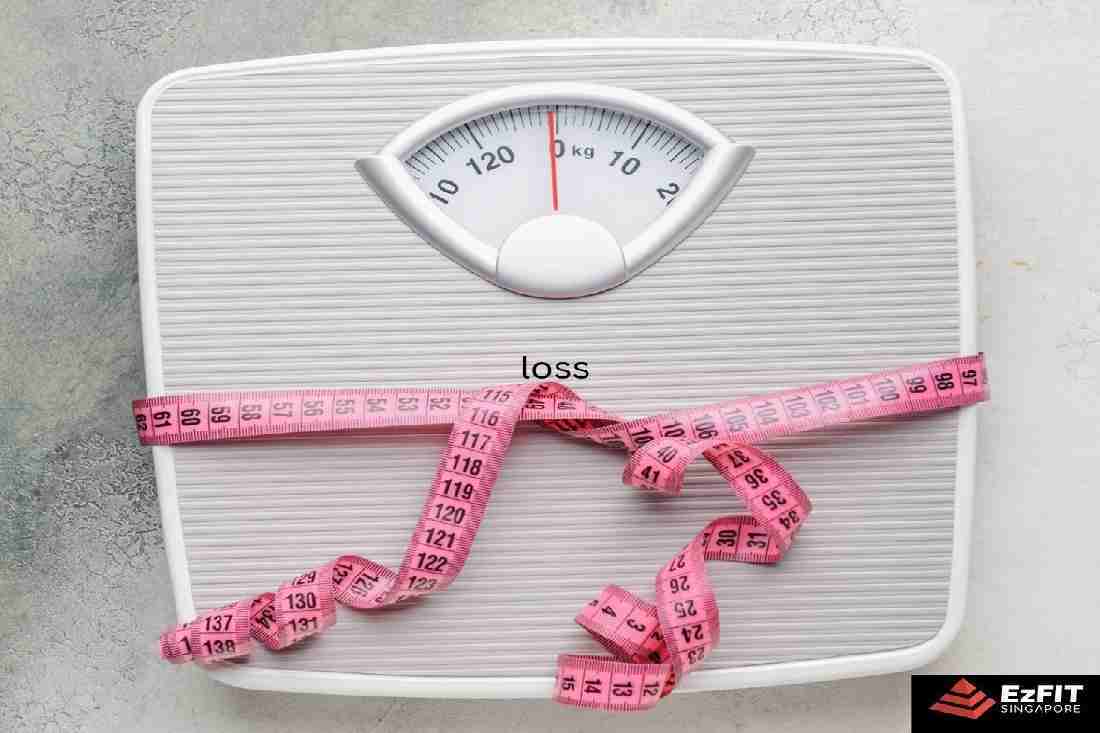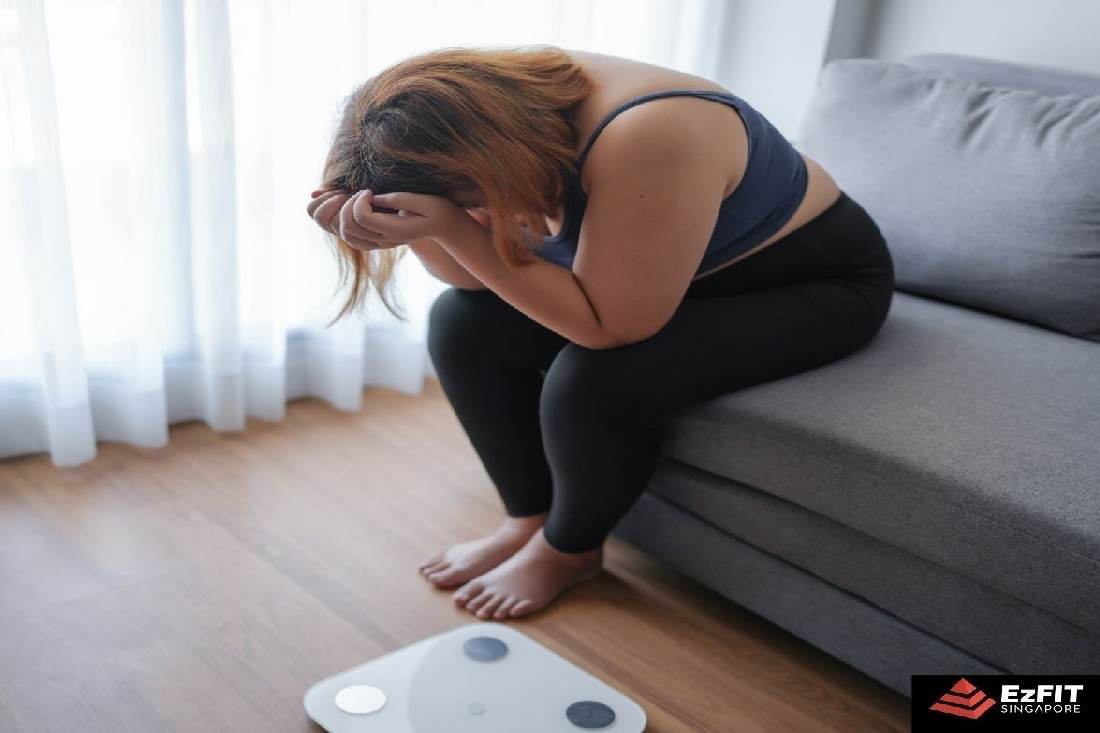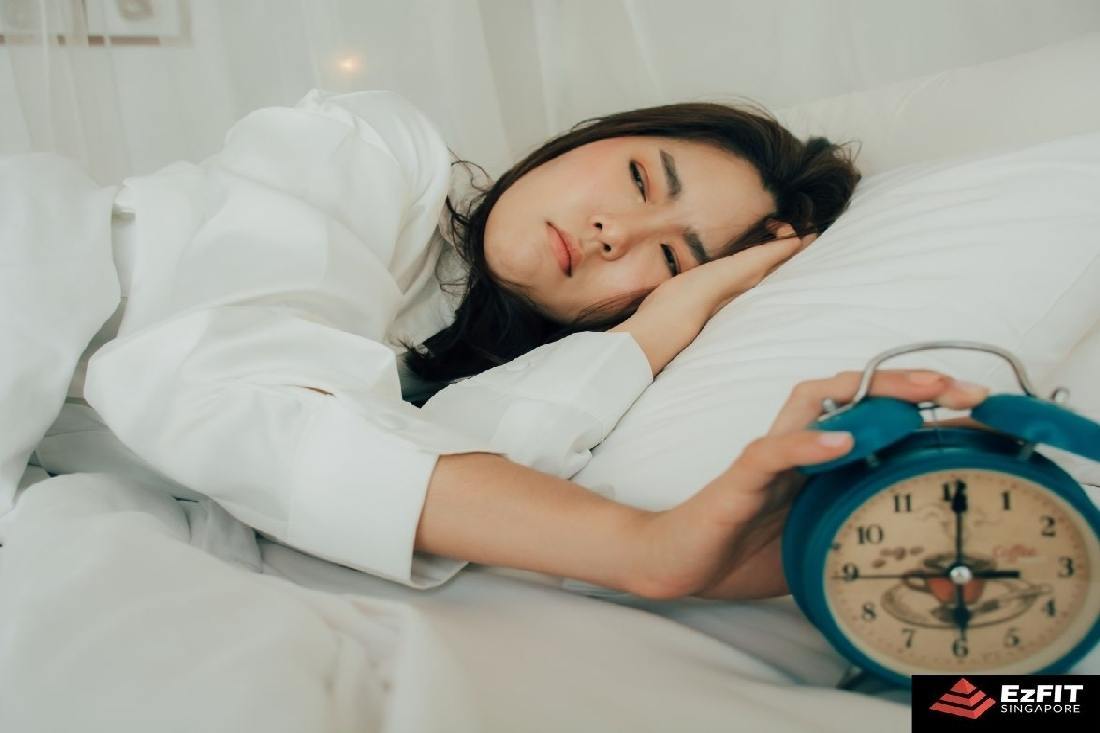
The Role of Sleep in Weight Loss and Management – Sleep affects weight loss by regulating the hunger hormones ghrelin and leptin, insulin sensitivity and how your body uses fat for fuel. In clinical studies, sleep-deprived adults ate about 385 extra calories a day, and dieters sleeping 5.5 hours lost 55% less fat than those sleeping 8.5 hours. Most adults need 7 or more hours of sleep a night.
Does sleep really affect weight loss?
Yes. Sleep is the most overlooked factor in weight loss and weight management. You can train hard and eat well, but if you regularly sleep less than 7 hours, your body fights you: hunger rises, cravings grow, and more of the weight you lose comes from muscle instead of fat.
That matters in Singapore, where long work hours and late nights are the norm. A June 2026 survey of 1,000 Singapore office workers found they sleep an average of 6.3 hours a night, against the 7.4 hours they say they need (How Singapore Sleeps 2026).
This guide explains what the research says about sleep and weight loss, how much sleep you need, and nine practical ways to sleep better so your diet and training actually pay off.
How does lack of sleep cause weight gain?
Short sleep makes you eat more without burning more. A 2016 meta-analysis of 11 studies found that partially sleep-deprived adults ate an extra 385 kcal a day, with no meaningful rise in calories burned (Al Khatib et al., European Journal of Clinical Nutrition). That is roughly an extra meal’s worth of snacks every day. Five mechanisms drive it.
1. Hunger hormones go out of balance
Ghrelin is the hormone that tells you you’re hungry; leptin tells you you’re full. Sleep loss pushes ghrelin up and leptin down, so you feel hungrier and less satisfied after eating (CNN via ABC17).
2. Your brain craves junk food
When you’re tired, the brain’s reward centres react more strongly to food. That shows up as cravings for sugary, fatty and high-calorie snacks, which is why late nights so often end with instant noodles or bubble tea (WRAL). The meta-analysis also found sleep-deprived people ate proportionately more fat and less protein.
3. Insulin sensitivity drops
Even a few nights of short sleep can push the body toward a pre-diabetic, insulin-resistant state the next morning (CNN via KVIA). Poorer blood sugar control makes fat storage easier and steady energy harder.
4. Stress hormones rise
Sleep loss is a physical stressor. Higher evening cortisol is linked to more appetite and fat stored around the waist, and stress itself keeps you awake, creating a loop that is hard to break.
5. You move less
Tired people take fewer steps, skip workouts and train with less intensity. Small drops in daily movement add up over weeks.
The flip side: more sleep, fewer calories
In a 2022 randomised trial, 80 overweight adults who usually slept under 6.5 hours got one personalised sleep-hygiene counselling session. They slept 1.2 hours more per night and ate about 270 fewer calories a day than the control group, with no diet instructions at all (NIH). The researchers estimated this could mean about 12 kg of weight loss over three years if maintained (Gulf News).
Can you lose fat if you don't sleep enough?
You can lose weight, but much less of it will be fat. In a landmark crossover study, overweight adults followed the same calorie-reduced diet for 14 days twice: once with 8.5 hours in bed, once with 5.5 hours.
| Result over 14 days of dieting | 8.5 hours in bed | 5.5 hours in bed |
|---|---|---|
| Fat lost | 1.4 kg | 0.6 kg |
| Fat-free mass (incl. muscle) lost | 1.5 kg | 2.4 kg |
Same diet, similar scale weight, very different body. Short sleep cut fat loss by 55% and increased lean-mass loss by 60%. Participants also felt hungrier and burned less fat for fuel.
Why this matters for your results:
- Muscle drives metabolism. Losing muscle lowers the calories you burn at rest and makes weight regain more likely.
- Training adapts during sleep. Deep sleep is when growth hormone peaks and muscles repair. Without it, strength and Power Plate sessions deliver less.
- Recovery affects consistency. Poorly rested clients feel sore longer, perform worse and are more likely to skip sessions.
In short: diet decides how much weight you lose; sleep decides how much of it is fat.
How much sleep do you need to lose weight?
Aim for at least 7 hours of actual sleep every night, which usually means 7.5 to 8.5 hours in bed. The American Academy of Sleep Medicine and Sleep Research Society recommend 7 or more hours for adults, and link regularly sleeping less to weight gain and obesity, diabetes and heart disease (AASM consensus statement).
Duration is only part of it. Healthy sleep also needs good quality, regular timing and no untreated sleep disorders (AASM). Weekend lie-ins do not fully cancel out a week of 6-hour nights.
Singapore's sleep gap
Most Singaporeans fall short of that target:
- Office workers aged 30 to 60 average 6.3 hours on work nights, and only 20% get 7 hours or more (People Matters).
- 71% of those workers say they have given up sleep to keep up with work (same survey).
- Nearly 1 in 4 screened at intermediate-to-high risk of sleep apnea (Human Resources Online).
Sleep apnea deserves a special mention: it is common in people carrying extra weight, it wrecks sleep quality even after 8 hours in bed, and it makes weight loss harder. Loud snoring, gasping at night or heavy daytime sleepiness are reasons to see a doctor.
How can you sleep better to support weight loss?
Small, consistent habits work best. In the 2022 sleep-extension trial, cutting screen use before bed stood out as a key change (DT Next). Start with two or three of these and build from there.
- Keep a fixed wake-up time, even on weekends. A steady schedule anchors your body clock and makes falling asleep easier.
- Put screens away 60 minutes before bed. Phone scrolling delays sleep and steals the hour you meant to rest.
- Keep the bedroom cool, dark and quiet. Around 15 to 20°C is often suggested (KVIA); in Singapore, set the aircon timer and use blackout curtains.
- Cut caffeine after 2pm. That includes kopi, teh, colas and pre-workout drinks.
- Go easy on alcohol and heavy late dinners. Both fragment sleep, and late supper is where many extra calories hide.
- Train regularly, but not too late. Exercise improves sleep quality; finish intense sessions 2 to 3 hours before bed.
- Get morning daylight. 10 to 15 minutes outdoors helps set your body clock.
- Build a wind-down routine. A warm shower, light stretching, reading or slow breathing tells your body it’s time to switch off.
- Protect sleep like a workout. Schedule your bedtime in your calendar and treat it as non-negotiable.
If you still struggle to sleep well after a few weeks, speak to a doctor. Insomnia and sleep apnea are treatable.
Key takeaways
- Sleeping less than 7 hours raises hunger (ghrelin), lowers fullness (leptin) and increases cravings.
- Sleep-deprived adults eat about 385 extra calories a day on average.
- Dieting on 5.5 hours of sleep led to 55% less fat loss and 60% more lean-mass loss than on 8.5 hours.
- Adding about an hour of sleep cut intake by roughly 270 calories a day in a real-world trial.
- Aim for 7+ hours, a consistent schedule and a screen-free hour before bed.
Frequently Asked Questions (FAQ)
Can sleeping more help you lose weight?
Yes, if you currently sleep too little. Overweight adults who added about 1.2 hours of sleep a night ate around 270 fewer calories a day without changing their diet.
How many hours of sleep should I get to lose weight?
At least 7 hours of actual sleep per night, which for most people means 7.5 to 8.5 hours in bed. Regularly sleeping 6 hours or less makes weight loss harder.
Why am I hungrier when I don’t sleep enough?
Sleep loss raises ghrelin, the hormone that drives hunger, and lowers leptin, the hormone that signals fullness. It also makes the brain’s reward centres more responsive to high-calorie food.
Does lack of sleep cause belly fat?
Short sleep is linked to higher cortisol and poorer insulin sensitivity, both of which favour fat storage around the waist. Over time, it also leads to eating more, which adds to overall fat gain.
Can poor sleep make you lose muscle instead of fat?
Yes. In a controlled study, dieters sleeping 5.5 hours lost 2.4 kg of fat-free mass and only 0.6 kg of fat in two weeks, compared with 1.5 kg and 1.4 kg on 8.5 hours.
Is it bad to exercise if I slept badly?
Light to moderate exercise is usually fine and can improve the next night’s sleep. After a very poor night, lower the intensity rather than pushing for a personal best.
Can napping make up for lost sleep?
A 20 to 30 minute nap can boost alertness, but it does not fully replace night-time sleep. Long or late-afternoon naps can make it harder to fall asleep at night.
Conclusion
Diet and exercise get the attention, but sleep decides how well both work. At EzFit Singapore, our personal trainers look at the whole picture, including training, recovery and lifestyle habits like sleep, so the weight you lose is fat, not muscle. Our time-efficient Power Plate sessions fit into busy Singapore schedules, leaving more time for rest.
Ready to lose weight the smart way? Book a trial session with EzFit Singapore today.