
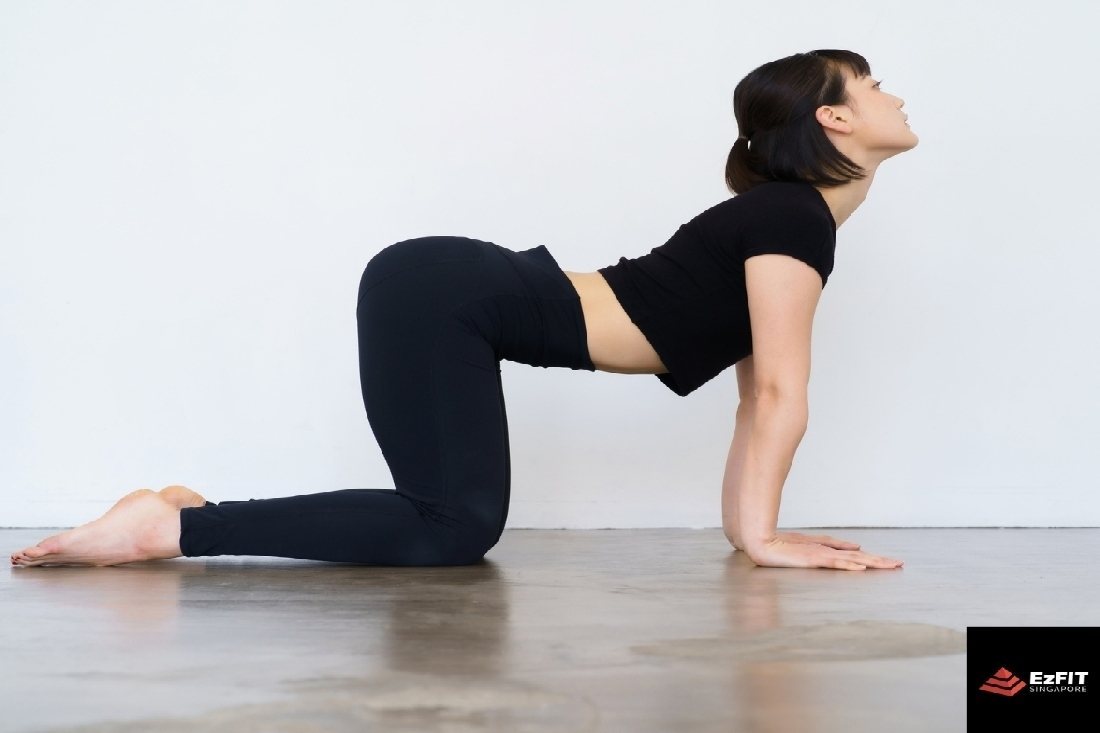
10 Yoga Poses to Improve Balance and Stability –
Balance and stability are essential not just for yoga—but for everyday movement, injury prevention, and long-term fitness. Whether you’re navigating a busy lifestyle in Singapore or enhancing your performance in the gym, improving balance can boost coordination, core strength, and body awareness.
In this guide, we’ll cover 10 powerful yoga poses to improve balance and stability, along with practical tips tailored for individuals in Singapore looking to enhance their fitness journey.
Why Balance and Stability Matter
Balance training helps:
- Strengthen your core and stabilizer muscles
- Improve posture and coordination
- Reduce the risk of falls and injuries
- Enhance performance in sports like running, golf, and HYROX
For those in Singapore juggling desk jobs and active lifestyles, incorporating yoga can counteract poor posture and sedentary habits.
1. Tree Pose (Vrksasana)
How to do it:
- Stand tall and shift your weight onto one leg
- Place the sole of the opposite foot on your inner thigh or calf
- Bring palms together at your chest
Benefits:
- Improves ankle stability
- Strengthens legs and core
- Enhances focus and concentration
2. Warrior III (Virabhadrasana III)
How to do it:
- Balance on one leg
- Extend the other leg straight behind you
- Lean your torso forward until parallel to the ground
Benefits:
- Builds full-body stability
- Strengthens glutes and hamstrings
- Improves coordination
3. Eagle Pose (Garudasana)
How to do it:
- Wrap one leg around the other
- Cross your arms and bring palms together
- Sink into a slight squat
Benefits:
- Enhances joint stability
- Improves balance under tension
- Stretches shoulders and hips
4. Half Moon Pose (Ardha Chandrasana)
How to do it:
- Balance on one leg
- Place one hand on the floor or block
- Open your chest and extend the opposite arm upward
Benefits:
- Improves lateral stability
- Strengthens ankles and core
- Enhances body awareness
5. Dancer Pose (Natarajasana)
How to do it:
- Stand on one leg
- Grab your back foot and lift it behind you
- Extend the opposite arm forward
Benefits:
- Builds dynamic balance
- Improves flexibility
- Strengthens lower body
6. Chair Pose on Toes (Utkatasana Variation)
How to do it:
- Sink into a squat
- Lift your heels off the ground
- Hold balance on your toes
Benefits:
- Strengthens calves and ankles
- Improves stability under load
- Great for athletes
7. Single-Leg Mountain Pose
How to do it:
- Stand upright
- Lift one knee to hip height
- Keep your posture tall and steady
Benefits:
- Improves foundational balance
- Strengthens hip flexors
- Enhances posture
8. Side Plank (Vasisthasana)
How to do it:
- Balance on one hand and the side of your foot
- Stack your feet and lift your hips
Benefits:
- Strengthens core and shoulders
- Improves lateral stability
- Builds endurance
9. Crow Pose (Bakasana)
How to do it:
- Squat and place hands on the floor
- Rest knees on upper arms
- Lean forward and lift your feet
Benefits:
- Develops arm and core strength
- Improves coordination
- Builds confidence in balance
10. Standing Figure 4 Pose
How to do it:
- Cross one ankle over the opposite knee
- Sit back into a squat
Benefits:
- Improves hip stability
- Enhances balance and mobility
- Great for injury prevention
Tips to Improve Balance Faster
- Focus on a fixed point (drishti) to stay steady
- Engage your core muscles at all times
- Practice barefoot to strengthen foot stability
- Train consistently (3–4 times per week)
- Combine yoga with strength training for best results
Yoga for Balance in Singapore: Local Insight
In Singapore’s fast-paced environment, many individuals struggle with poor posture, tight hips, and weak stabilizer muscles due to long hours sitting. Incorporating yoga into your routine—whether at home, in a studio, or with a personal trainer—can significantly improve your physical resilience.
Outdoor spaces like parks and waterfronts also offer great environments for balance-focused yoga sessions, helping you connect movement with mindfulness.
Frequently Asked Questions
What is the best yoga pose for balance?
Tree Pose is one of the most effective beginner-friendly poses to improve balance and focus.
How often should I practice yoga for balance?
Aim for at least 3 sessions per week to see noticeable improvements in stability and coordination.
Can yoga improve stability for sports?
Yes, yoga enhances core strength, joint stability, and body awareness—key components for athletic performance.
Is yoga good for preventing injuries?
Absolutely. Improved balance reduces the risk of falls, ankle sprains, and muscle imbalances.
Can beginners do these yoga poses?
Yes, most poses can be modified. Start with simpler variations and progress gradually.
Final Thoughts
Improving balance and stability isn’t just about mastering yoga poses—it’s about building a stronger, more resilient body for everyday life. Whether you’re training in Singapore for fitness, sports, or general health, these yoga poses offer a simple yet powerful way to elevate your performance and prevent injuries.
If you want faster results, consider guided training to ensure proper form and progression.