Personal Trainer Singapore: How to Choose the Right Fitness Coach in 2026 – Finding the right personal trainer in Singapore can transform your fitness journey from a struggle into an achievement. With hundreds of certified trainers across the island, from Orchard to Jurong East, making the right choice requires knowing what to look for. This comprehensive guide will help you select a fitness coach who aligns with your goals, budget, and lifestyle in 2026.
Why Hire a Personal Trainer in Singapore?
Singapore’s fast-paced lifestyle makes it challenging to maintain consistent fitness routines. A qualified personal trainer provides the accountability, expertise, and customized programming that generic gym routines simply can’t match. Whether you’re training at premium facilities like Virgin Active or community gyms under ActiveSG, the right coach makes every session count.
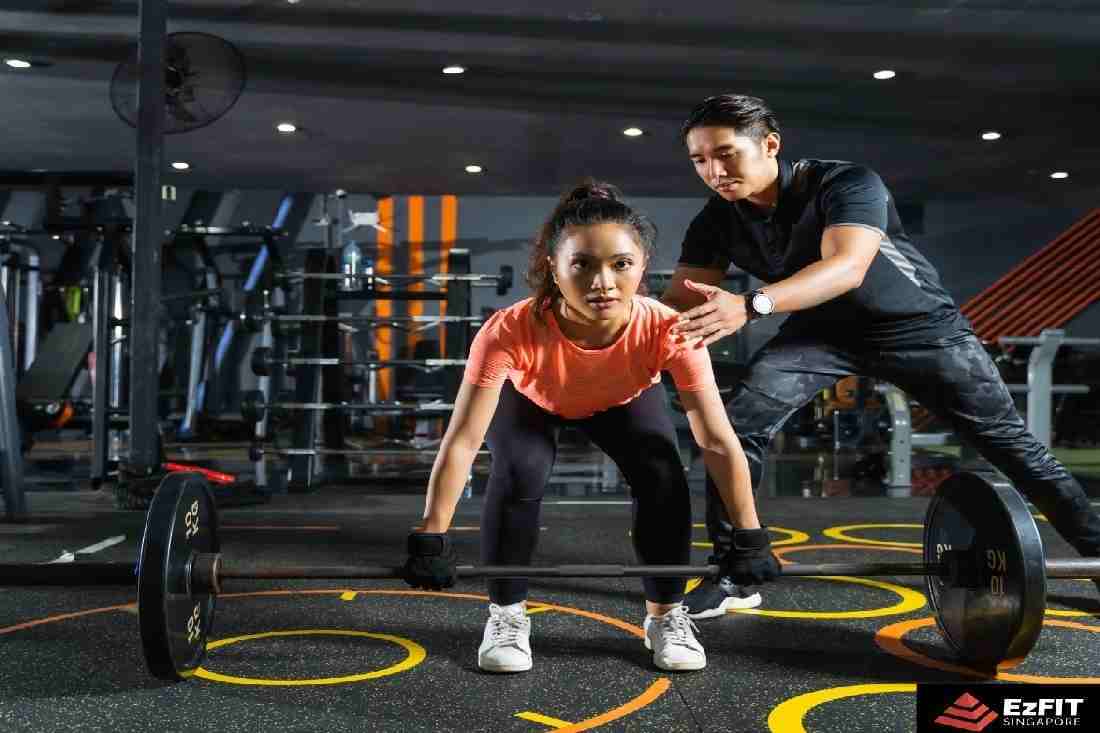
Personal trainers help you avoid common mistakes that lead to injuries, plateaus, or wasted time. They design programs tailored to your body type, fitness level, and specific goals, whether that’s weight loss, muscle building, sports performance, or post-rehabilitation training.
Essential Qualifications to Look For
Recognized Certifications
Your personal trainer should hold certifications from internationally recognized bodies. In Singapore, look for credentials from organizations like the American Council on Exercise (ACE), National Academy of Sports Medicine (NASM), Australian Fitness Academy (AFA), or the National Strength and Conditioning Association (NSCA). These certifications ensure your trainer has studied anatomy, physiology, exercise science, and program design.
Local certifications from the Singapore Sports Council or Sport Singapore coaching accreditation programs are also valuable, particularly for trainers specializing in specific sports or working with youth athletes.
CPR and First Aid Certification
A qualified trainer should maintain current CPR and first aid certifications. Accidents can happen even in controlled environments, and your trainer needs to respond appropriately in emergencies. Don’t hesitate to ask about these credentials during your initial consultation.
Specialized Training
Depending on your needs, specialized certifications matter significantly. If you’re recovering from an injury, look for trainers with corrective exercise or post-rehabilitation credentials. Pregnant women should seek trainers certified in pre and postnatal fitness. Athletes need coaches with sports-specific training experience.
Matching Training Style to Your Goals
Different trainers excel in different areas. A bodybuilding specialist may not be ideal for someone training for a marathon, just as a yoga-based trainer might not suit someone seeking powerlifting gains.
Weight Loss and Body Transformation
For weight loss goals, seek trainers with proven track records in metabolic conditioning, nutrition guidance, and sustainable lifestyle changes. Ask to see before-and-after results from previous clients and inquire about their approach to diet and recovery.
Strength and Muscle Building
If building muscle is your priority, find trainers experienced in progressive overload, periodization, and compound movements. They should understand hypertrophy principles and be able to design programs that balance intensity with adequate recovery.
Functional Fitness and Athletic Performance
Athletes and those seeking improved daily movement should look for trainers certified in functional movement screening, sports performance, or athletic conditioning. These coaches understand movement patterns, mobility work, and sport-specific training demands.
Senior Fitness and Special Populations
Older adults or individuals with chronic conditions need trainers with specialized knowledge in exercise modifications, fall prevention, and managing health conditions through movement. Look for certifications in senior fitness or working with special populations.
Personality and Communication Style
Technical qualifications matter, but personality compatibility determines long-term success. Some people thrive with drill-sergeant intensity, while others need gentle encouragement and positive reinforcement.
During your trial session, assess whether the trainer listens to your concerns, explains exercises clearly, and adjusts based on your feedback. A great trainer educates you about why you’re doing specific exercises, not just what to do. They should make you feel motivated, not intimidated or uncomfortable.
Location and Scheduling Flexibility
Singapore’s geography means location significantly impacts consistency. Training near your home in Tampines differs greatly from traveling to a gym in Tanjong Pagar. Consider trainers who offer sessions at multiple locations or can train you at your condo gym.
Many personal trainers now offer hybrid models combining in-person and virtual sessions, which can provide flexibility for Singapore’s unpredictable weather and busy schedules. Mobile personal trainers who come to your location eliminate travel time entirely.
Cost and Value Assessment
Personal training rates in Singapore typically range from SGD 80 to SGD 250 per hour, depending on the trainer’s experience, location, and specialization. Premium trainers at high-end gyms command higher rates, while trainers at ActiveSG gyms or independent coaches often offer more affordable options.
Don’t automatically assume expensive means better. Evaluate the complete package: Does the rate include program design, nutrition guidance, and progress tracking? Are there discounts for package purchases? What happens if you need to reschedule?
Calculate cost per result rather than cost per session. A skilled trainer who helps you achieve your goals in four months provides better value than a cheaper option that takes a year with minimal progress.
Trial Sessions and Consultations
Reputable personal trainers in Singapore offer complimentary consultations or discounted trial sessions. Use this opportunity strategically. Come prepared with your goals, medical history, and questions about their approach.
During the trial, observe how they assess your current fitness level, whether they perform movement screenings, and how they explain their proposed program. A professional trainer should discuss realistic timelines, potential challenges, and what they expect from you as a client.
Red Flags to Avoid
Certain warning signs indicate you should continue your search. Be cautious of trainers who guarantee specific results within unrealistic timeframes, push unnecessary supplements, or dismiss your concerns about pain or discomfort during exercises.
Avoid trainers who spend sessions on their phones, fail to track your progress, or use cookie-cutter programs without customization. Professional trainers adapt constantly based on your feedback and results.
Checking References and Reviews
Before committing to a training package, research the trainer’s reputation. Check Google reviews, testimonials on their website, and ask for references from current clients with similar goals. Social media can provide insights into their training philosophy and client results, but remember that highlight reels don’t tell the complete story.
Ask specific questions when speaking with references: How long have they trained with this coach? What results have they achieved? How does the trainer handle setbacks or plateaus? Would they recommend this trainer to their friends?
Questions to Ask During Your Consultation
Come prepared with these essential questions:
What is your training philosophy and approach? This reveals whether their style matches your preferences and goals.
How do you track progress and adjust programs? Effective trainers use objective measurements beyond scale weight.
What is your cancellation and rescheduling policy? Understanding this prevents future conflicts.
Do you provide nutrition guidance? While trainers in Singapore cannot prescribe meal plans without dietitian credentials, many offer general nutritional advice.
How do you handle injuries or limitations? Their answer shows whether they can work within your constraints safely.
What happens if we’re not making progress? This reveals their problem-solving approach and commitment to your success.
The Importance of Chemistry and Motivation
Beyond credentials and experience, you need genuine connection with your trainer. You’ll be spending significant time together, often during challenging physical moments when vulnerability is high. The right trainer understands what motivates you, when to push harder, and when to ease back.
Some people need structured, no-nonsense coaching, while others require emotional support and celebration of small victories. Neither approach is wrong, but mismatched styles lead to frustration and abandoned fitness goals.
Making Your Final Decision
After meeting several trainers, create a decision matrix comparing qualifications, cost, location, personality fit, and specialization. Trust your instincts, but also weight objective factors like credentials and client results.
Remember that choosing a personal trainer is not a lifetime commitment. Most relationships start with shorter packages allowing both parties to assess compatibility. If the match isn’t right after giving it a fair chance, don’t hesitate to find someone better suited to your needs.
Maximizing Your Investment
Once you’ve selected your personal trainer, maximize the relationship by showing up consistently, communicating openly about what works and what doesn’t, and doing any homework assignments between sessions. The best trainers view themselves as partners in your journey, not miracle workers who can overcome lack of effort.
Track your own progress through photos, measurements, and performance metrics. This data helps you and your trainer make informed adjustments and provides motivation during challenging periods.
Conclusion
Choosing the right personal trainer in Singapore requires research, self-awareness about your goals and preferences, and willingness to invest time in finding the right match. The fitness industry in Singapore offers exceptional talent across all specializations and price points, but only you can determine who best serves your unique needs.
By focusing on qualifications, specialization, personality compatibility, and practical factors like location and cost, you’ll find a fitness coach who helps you achieve and maintain the results you’re seeking. Take your time with this decision—the right trainer becomes an invaluable partner in your health and wellness journey, making every dollar and minute invested worthwhile.
Start your search today, schedule consultations with trainers whose profiles interest you, and step confidently into 2026 with professional guidance supporting your fitness goals.